If your perfect Brooklyn morning starts with espresso on a tree-lined block and ends with a casual dinner steps from home, Clinton Hill may be exactly what you are picturing. This pocket between Fort Greene and Bedford–Stuyvesant blends calm streets, historic architecture, and a creative pulse from Pratt Institute. In this guide, you will learn how the neighborhood fits together, where people actually go day to day, and what to know if you are touring co-ops, condos, or brownstones. Let’s dive in.
Where Clinton Hill fits
Clinton Hill sits in north-central Brooklyn, typically described as the area between Fort Greene and Bedford–Stuyvesant with Atlantic Avenue to the south and the Brooklyn Navy Yard to the north. For a broad overview and common boundary references, see the neighborhood’s profile on Wikipedia’s Clinton Hill page. The vibe is relaxed and residential with a strong café culture, local restaurants, and easy access to larger cultural institutions nearby. You will see a mix of long-time residents, Pratt students, creative professionals, and many households who value walkability.
Everyday anchors help shape routines here. Pratt Institute’s campus brings daytime energy, while Fort Greene Park and its Saturday greenmarket draw locals on weekends. The G and C trains serve local trips, and the Atlantic Terminal/Barclays Center hub is a short walk for broader subway connections and the LIRR.
Architecture you see every day
Historic districts overview
Clinton Hill is known for one of Brooklyn’s richest collections of 19th- and early-20th-century homes. Large portions fall within the Clinton Hill Historic District, which helps preserve the character of façades, stoops, cornices, and front gardens. For a preservation-focused view and why exterior work needs review, the Historic Districts Council outlines requirements for the area’s protected buildings in its Clinton Hill Historic District page.
Brownstones and mansions
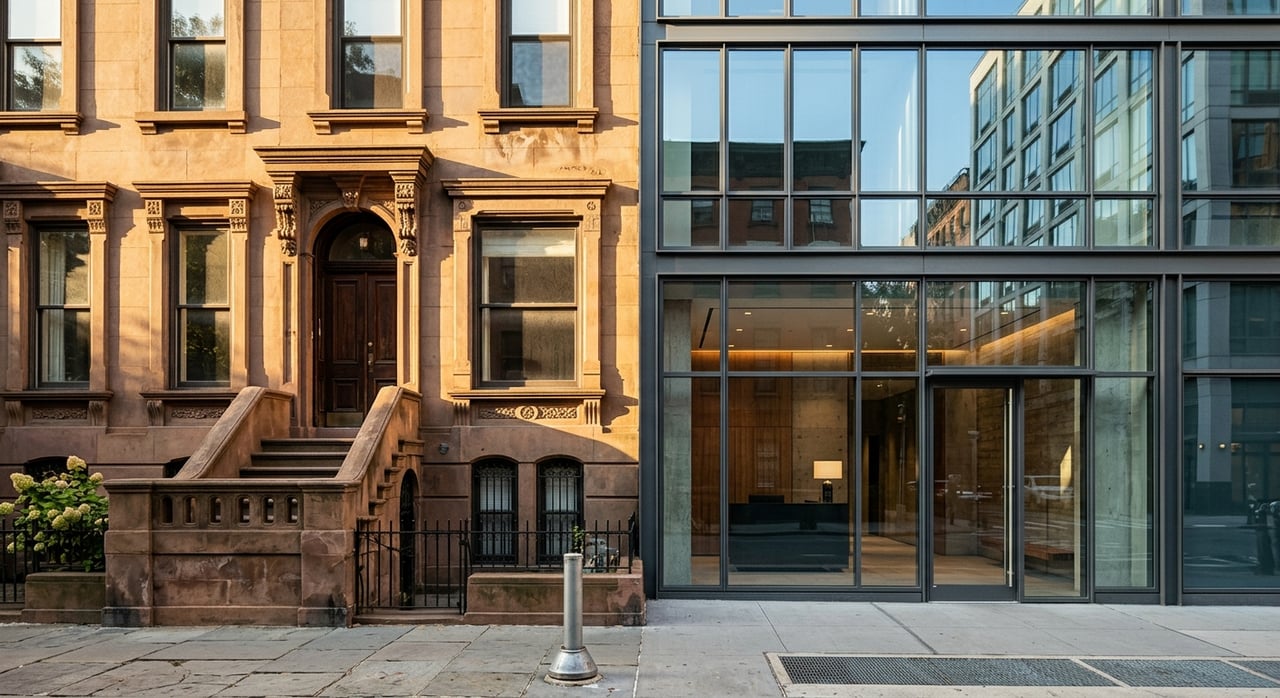
You will see rows of Italianate and Neo-Grec brownstones, often 3 to 5 stories with classic stoops and original woodwork. Many have been updated inside or configured as multi-family buildings over time, while others have been restored as single-family homes. Along parts of Clinton Avenue and nearby blocks, freestanding mansion-scale homes and carriage houses reflect the neighborhood’s late 19th-century “Gold Coast” era and remain signature sights.
Co-ops, condos, and conversions
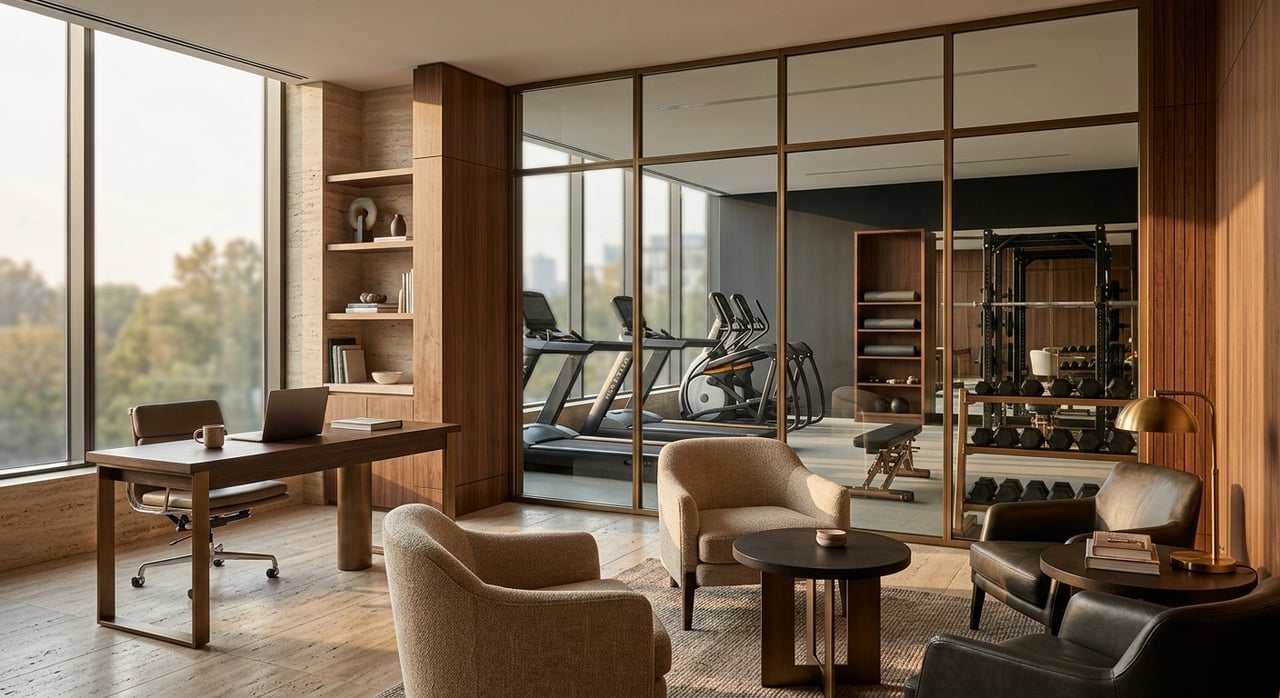
Beyond the brownstones, Clinton Hill offers mid-century co-ops and prewar apartment buildings, especially near the Fulton and DeKalb corridors and at the southern edge of the historic districts. You will also find newer condominium buildings and conversions along Fulton, Myrtle, and parts of DeKalb, plus select infill near Atlantic Terminal. These newer properties often bring amenities like elevators, roof decks, and modern mechanicals.
What buyers value
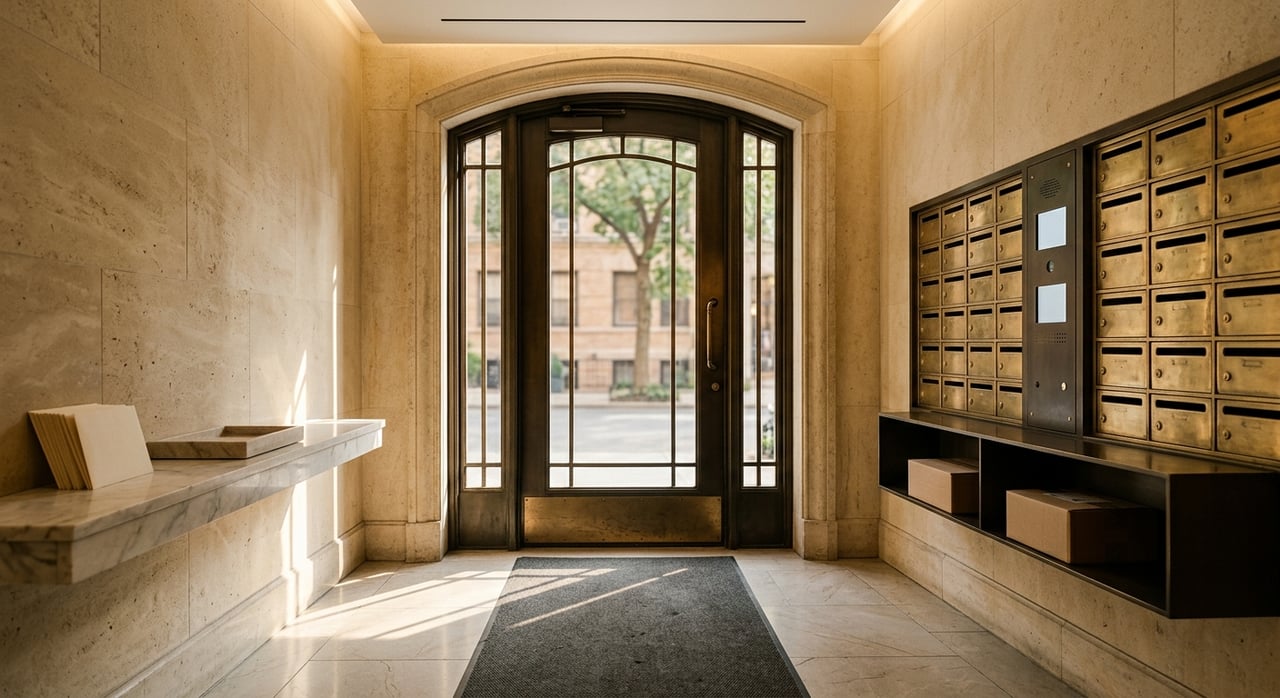
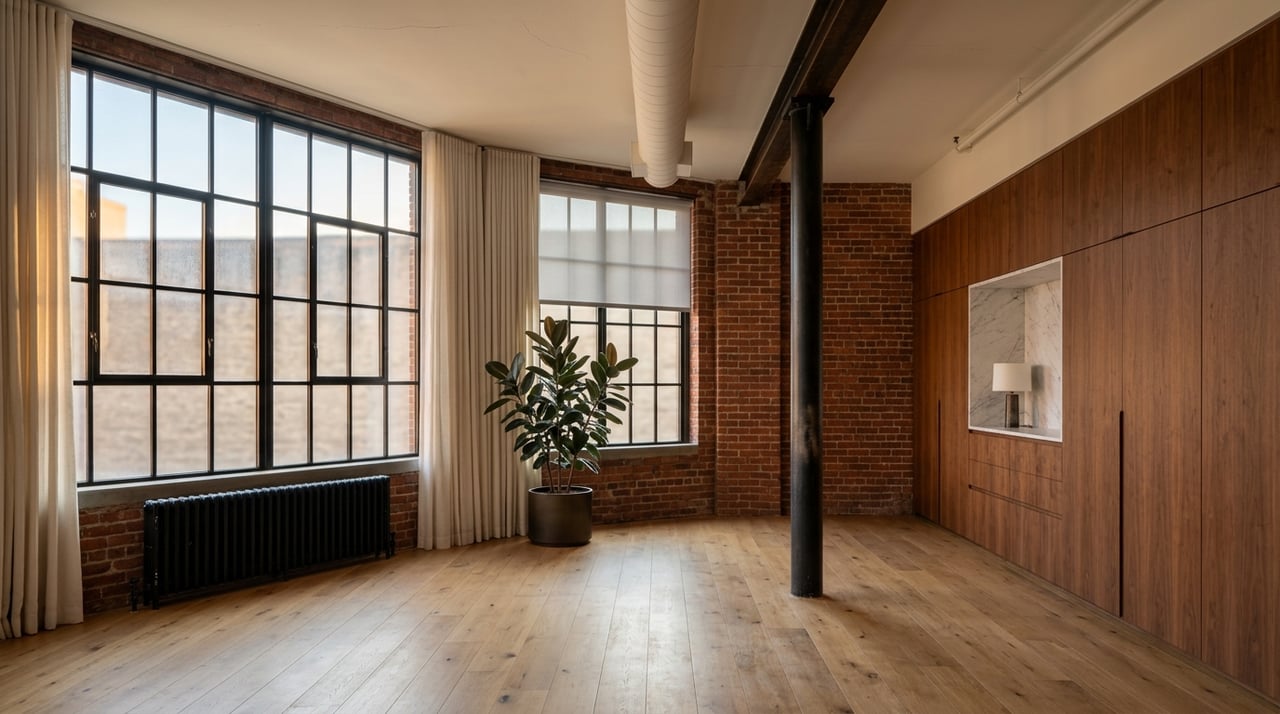
Buyers often come for period details, such as moldings, mantels, high ceilings, and tall windows that let in soft light. Tree-lined streets, small front gardens, and the feel of a stoop are daily pleasures. Many shoppers look for the balance between preserved character and updated kitchens, baths, and systems. Proximity to parks and reliable transit is a frequent tie-breaker when comparing homes.
Café and dining rhythm
The neighborhood’s café and restaurant scene clusters along Fulton Street, Dekalb Avenue, and Myrtle Avenue, with smaller pockets near Classon and Greene Avenues. Mornings mean quick coffee and a pastry at a local bakery, while evenings lean toward comfortable neighborhood spots, from trattorias to pizza. Aita, a warmly regarded Italian trattoria, has been profiled as a Clinton Hill staple, as noted in The New Yorker’s feature on Aita. Emily and Speedy Romeo are often mentioned for standout pizza and burgers, and you will find many low-key options that fit into weeknight routines.
Small cafés and bakeries sit right on residential blocks, which adds to the walkable feel. It is common to run into neighbors on morning coffee runs or weekend strolls. If you are planning a move, spend a few mornings and evenings on the corridors you like most to see what your routine could be.
Markets and groceries
For everyday shopping, locals mix neighborhood grocers with specialty markets, and you will see well-stocked provisioners on Fulton, Myrtle, and DeKalb. Saturdays are shaped by the Fort Greene Park Greenmarket, a year-round spot for produce, baked goods, and local specialties. You can check hours and vendors on GrowNYC’s Fort Greene Greenmarket page.
If you cook often, plan your week around the greenmarket and smaller provisioners for staples and seasonal items. Many residents build their pantry through short, frequent trips rather than big-box stock-ups.
Creative energy from Pratt
Pratt Institute is at the heart of Clinton Hill’s daytime rhythm. The campus, lawns, and public art shape who spends time here and the kinds of small businesses that open nearby. Rotating outdoor installations keep the landscape lively; you can see examples of those campus exhibits on Pratt’s sculpture park page. Even if you are not a student, you will feel that creative influence in the neighborhood’s galleries, design shops, and casual hangouts.
Parks and play spaces
Fort Greene Park is the primary green anchor for Clinton Hill residents. With historic design by Olmsted and Vaux, the park hosts the Prison Ship Martyrs Monument and regular community programming. For a snapshot of amenities and events, see NYC Parks’ Fort Greene Park page. It is a hub for dog walks, runs, picnics, and the Saturday greenmarket routine.
At the block level, Clinton Hill is dotted with smaller playgrounds and pocket parks that support everyday life. Underwood Playground, Cuyler Gore, and Crispus Attucks Playground, along with small plazas and triangles, provide quick options for outdoor time. Local groups map these spaces and improvements; you can browse highlights on FAB Fulton’s public spaces page.
Getting around
Clinton Hill’s core subway service is the G line, with stops at Classon Avenue and Clinton–Washington Avenues, and the C local on Fulton Street at Clinton–Washington Avenues. For a quick transit primer, see the Classon Avenue station entry. A short walk brings you to Atlantic Terminal/Barclays Center for multiple subway lines and the LIRR.
Accessibility work is underway or planned at select stations, including upgrades tied to elevators and improved access on the G line. For construction windows and station-by-station updates, review the MTA’s latest accessibility press information. If you rely on strollers or mobility devices, factor near-term construction into your timing.
Parking varies by block, and on-street spots are not guaranteed. Many residents organize daily life around transit, bikes, and neighborhood shopping rather than private parking. If you commute by car, review local rules, alternate-side schedules, and building-specific options during tours.
Buying signals and tips
Co-op vs condo vs house
Clinton Hill offers a true mix. Co-ops can provide value but come with board approvals, financial requirements, and monthly maintenance that covers building operations. Condos tend to have simpler purchase processes and more flexibility but may carry higher common charges. Single-family and multi-family brownstones deliver space and historic character, and they require a direct approach to maintenance and capital planning.
Historic district rules
If the property sits within a historic district, exterior changes usually require review through Landmarks and sometimes a community board process. Plan for longer timelines for windows, doors, façade work, and stoops, and capture existing conditions carefully during due diligence. This is not a barrier, just a planning step that protects the look and feel that drew you to the neighborhood in the first place.
Schools and enrollment
The neighborhood includes public elementary options, including P.S. 11. Enrollment boundaries, programs, and ratings can change, so check the latest DOE resources and school websites during your search. If schools are a priority, align tour schedules with open houses and reach out to school administrators with specific questions.
Tour checklist
Bring a simple list to each property:
- Exterior condition if in a historic district, including façade, stoop, windows, and cornice.
- Ceilings, moldings, mantels, and other period details, plus the age and condition of mechanical systems.
- Light quality at different times of day and the tree canopy on the block.
- Distance to your preferred subway line and the walk to Fort Greene Park.
- Ownership structure, financials, and building rules, especially for co-ops.
A day in Clinton Hill
Start with a walk under leafy canopies to your go-to café, then head to Fort Greene Park for a loop or the greenmarket on Saturdays. Midday might mean a stroll past Pratt’s public art or errands along Myrtle and Fulton. Evenings stay close to home, with pizza, a trattoria dinner, or a quick meet-up with friends. The rhythm is simple and local, which is part of Clinton Hill’s draw.
Ready to explore Clinton Hill?
If Clinton Hill feels like a fit, you deserve a guide who knows the architecture, the co-op and condo nuances, and the rhythms of each block. For curated tours, off-market opportunities, and clear advice on renovation and value-add potential, connect with Alex Fincham. You will get hands-on service backed by team-scale marketing and tools, from buyer representation to Compass Concierge for select sellers.
FAQs
Is Clinton Hill mostly historic or newly built?
- Mostly historic. You will find large protected stretches of 19th- and early-20th-century brownstones and mansions, along with mid-century co-ops and a growing number of newer condos.
What is the day-to-day rhythm like?
- Mornings start with coffee and school drop-offs, days include Pratt’s campus energy and local shops, and evenings center on neighborhood dining and nearby cultural outings. Saturdays revolve around the Fort Greene Park Greenmarket.
How convenient is transit for Manhattan commutes?
- The G and C lines serve local trips, and a short walk brings you to Atlantic Terminal for multiple lines and the LIRR. Your exact commute depends on your block and preferred route.
What should I focus on during a home tour?
- Look for original details and ceiling height, exterior condition if in a historic district, and the real-world walk to transit and parks. Clarify ownership type and monthly costs early.
Are there accessibility upgrades at local stations?
- Yes. The MTA has announced and started accessibility improvements at select stations, including Classon Avenue on the G line. Check current schedules for construction timelines before you plan your commute.