Thinking about buying a co-op in Gramercy? You are not alone, and you are also right to expect a more detailed process than a typical condo purchase. Between board approval, financial review, and the neighborhood’s historic building stock, a Gramercy co-op deal can move smoothly, but only if you know what to prepare for early. This guide walks you through the process, timeline, and key expectations so you can move forward with more confidence. Let’s dive in.
What makes a Gramercy co-op different
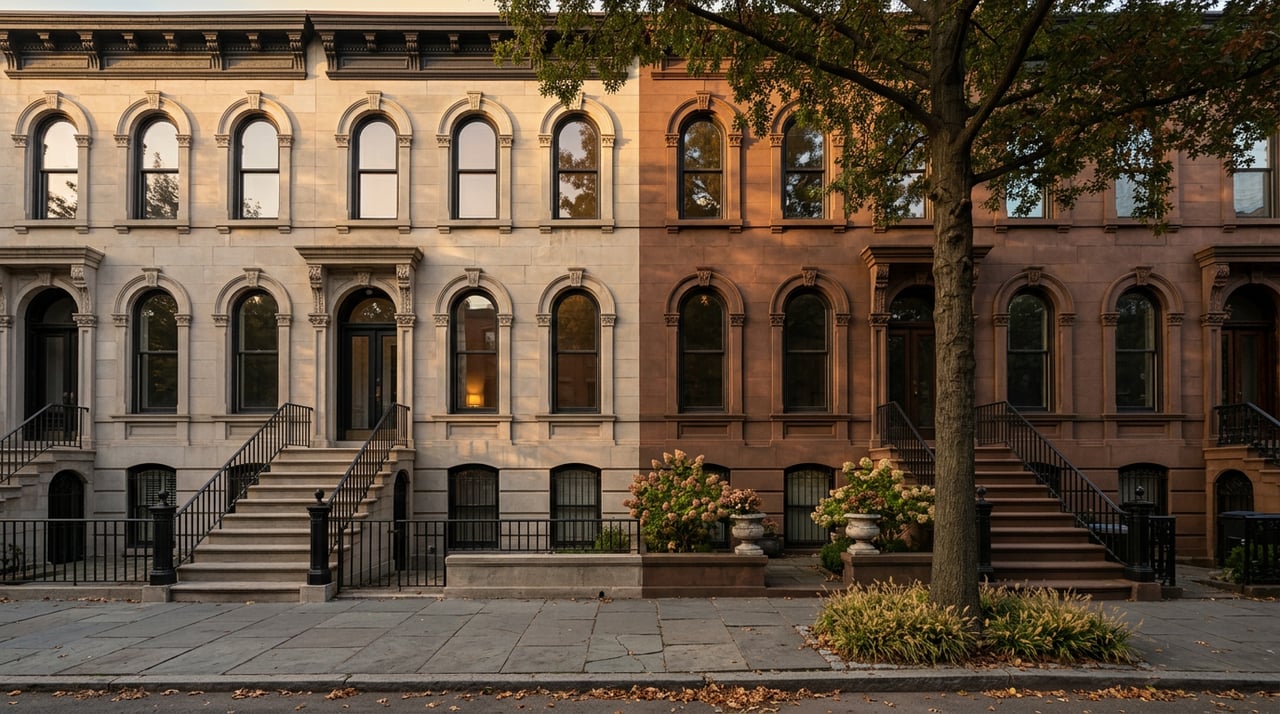
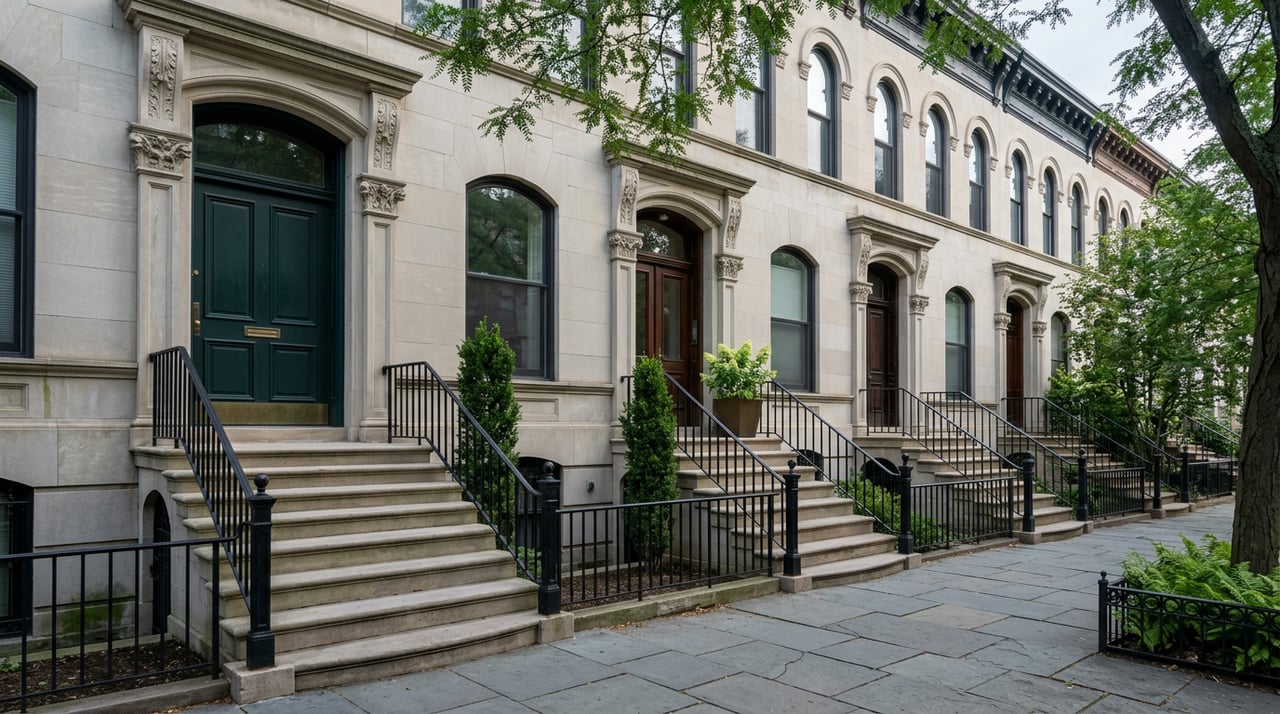
Gramercy has a long co-op tradition, and it also sits within a notable historic context. The Landmarks Preservation Commission’s district report describes Gramercy Park as a distinct residential enclave and notes both its historic district status and early cooperative development.
That matters because in Gramercy, you are often buying into a building with its own rules, financial standards, and architectural constraints. If the building is landmarked or located within a historic district, post-closing renovation plans may also require review by the Landmarks Preservation Commission, which can affect your timeline.
How a co-op purchase works
When you buy a co-op in New York, you are not buying real property in the same way you would with a condo. According to the New York Attorney General, you are purchasing shares in a corporation and receiving a proprietary lease for the apartment.
That structure is why co-op purchases tend to involve more paperwork and more review. In practical terms, the transaction usually includes an accepted offer, contract negotiation, lender processing if you are financing, board package preparation, managing agent review, board review, interview if required, and closing.
Typical Gramercy co-op timeline
A common planning range from accepted offer to closing is about 60 to 90 days. A New York transaction overview notes that this is not unusual for co-op deals once financing is underway.
Board timing is also becoming more standardized in many buildings. As described by Cozen O’Connor’s summary of Int. 1120-B, certain New York City co-ops with more than 10 units must acknowledge receipt and identify completeness issues within 15 days, then render a decision within 45 days after an application is complete, subject to the law’s exceptions.
Even with those timelines, your deal can still slow down if documents are missing, financing is delayed, or building-specific requirements come up late. That is why early preparation matters so much.
What to prepare before you apply
In most co-op purchases, you will need to prepare for the lender and the board at the same time. That means getting your financials organized before you reach the contract stage if possible.
A typical board package may include the following, based on this co-op package checklist:
- Two recent tax returns
- Recent bank statements
- Brokerage or retirement account statements
- Proof of down payment funds
- Employment verification
- Recent pay stubs
- Resume or professional biography
- Personal reference letters
- Landlord reference, if applicable
- REBNY financial statement
- Executed contract
- Mortgage commitment letter, if financing is involved
The more complete and organized your package is, the easier it is for your attorney, lender, and managing agent to keep the process moving.
Financial standards boards often review
Every co-op board can set its own standards, so there is no one-size-fits-all formula. Still, attorneys commonly flag several areas that buyers should review early, including down payment requirements, debt-to-income ratio, post-closing liquidity, and building-specific financing limits, according to this NYC contract review guide.
In other words, being approved for a mortgage does not automatically mean a board will approve your application. You want to understand both your lender’s requirements and the building’s financial expectations before you get too far into a deal.
Building diligence matters more than many buyers expect
A Gramercy co-op is not just about the apartment itself. You also need to understand the building’s financial health, pending repairs, and operating policies.
The New York Attorney General’s guidance for co-op and condo buyers recommends reviewing the full offering plan before signing and notes that board minutes and financial reports can reveal important details about defects and costly repairs. Examples include facade work, roof repairs, elevator issues, plumbing, boiler systems, and electrical work.
For buyers, this is often where expensive surprises can be avoided. If major capital work is coming, or if the building has strict sublet or renovation rules, that can shape whether the apartment is still the right fit for your goals.
Gramercy renovation expectations
If you are buying with plans to renovate, Gramercy requires extra care. Because parts of the neighborhood fall within a historic district, some exterior or protected feature work may require LPC approval.
The Landmarks Preservation Commission notes that a Certificate of Appropriateness is required for certain work affecting protected features or work that does not conform to LPC rules, and that the process can take about three months. On top of that, your co-op building may have its own alteration agreement, work-hour rules, and approval process.
If renovation is part of your plan, it is smart to evaluate building policy and landmark implications before you close, not after.
Board package and interview expectations
Most buyers hear about the board interview long before they understand what it actually involves. In many buildings, the interview is fairly short and focused on confirming the information in your application.
Typical questions may cover your occupation, who will live in the apartment, whether it will be your primary residence, and whether you have reviewed the building’s house rules, according to the same board package guide. The best approach is simple: answer clearly, stay professional, and treat the meeting as a final review rather than a negotiation.
CNYC also recommends that boards use a standard application package and clear procedures, which helps create a more predictable process for buyers.
Important legal protections to know
Your contract terms matter in a co-op purchase. One of the most important protections is the board-approval contingency.
As outlined in the NYC contract review guide, if the board rejects the buyer, the contract is typically canceled and the deposit is returned. A mortgage contingency is also critical if you are financing, because without it, a failed loan could put your deposit at risk.
Attorney review is another key step. That same guide notes that attorney review often takes one to three weeks, and that timing can shape contract negotiation, lender coordination, board package strategy, and the path to closing.
Fair Chance Housing rules in NYC
Co-op buyers should also know that New York City housing decisions are shaped by the Fair Chance Housing Law. According to the NYC Commission on Human Rights, most housing providers, including co-op decision-makers, may not discriminate based on conviction history, may not ask about or review criminal history before a conditional offer, and must follow specific procedures if they choose to run a background check later in the process.
For buyers, the practical takeaway is that co-op admissions must follow a defined legal framework. That is one more reason it helps to work with professionals who can keep the process organized and on track.
How to set realistic expectations
A Gramercy co-op purchase can be very rewarding, but it works best when you go in with a clear plan. Expect a document-heavy process, detailed financial review, and building-specific rules that may affect financing, occupancy, or future renovation.
You should also expect the process to feel less flexible than other property types. Co-op boards, managing agents, lenders, and attorneys all play a role, and small delays can affect the overall timeline.
The good news is that most of the stress comes from uncertainty, not complexity alone. When you understand the steps, prepare your paperwork early, and evaluate the building carefully, you put yourself in a much stronger position to move from accepted offer to closing with fewer surprises.
If you are exploring a Gramercy co-op and want steady guidance through the board process, building review, and timing strategy, Alex Fincham can help you navigate the details with a practical, hands-on approach.
FAQs
How long does a Gramercy co-op purchase usually take?
- A common planning range is about 60 to 90 days from accepted offer to closing, although board timing, financing, and package completeness can affect that timeline.
What documents are usually needed for a Gramercy co-op board package?
- Common items include tax returns, bank and brokerage statements, proof of funds, employment verification, pay stubs, reference letters, a REBNY financial statement, the signed contract, and a mortgage commitment if you are financing.
What financial factors do Gramercy co-op boards usually review?
- Boards often review your down payment, debt-to-income ratio, post-closing liquidity, and any building-specific financing or borrowing limits.
Can you renovate right after buying a Gramercy co-op?
- Not always, because the building may have its own alteration rules and landmarked or historic district properties may also require LPC approval for certain work.
What does a Gramercy co-op board interview usually cover?
- The interview is often short and may focus on your occupation, intended occupancy, whether the apartment will be your primary residence, and your familiarity with house rules.
Can a Gramercy co-op board ask about criminal history?
- Not before a conditional offer, and if a board chooses to run a background check, it must follow the Fair Chance Housing Law process.