If you are shopping for a condo in Chelsea, amenities can feel like both a bonus and a budget trap. A roof deck, gym, package room, or lounge may sound great on a tour, but in a neighborhood where condos were listed at a median price of $1.85 million as of May 4, 2026 and median days on market sat at 71, those features are also part of the long-term cost and resale conversation. The good news is that once you know which amenities buyers ask about most, and how to evaluate them, you can make a smarter decision with fewer surprises. Let’s dive in.
Why amenities matter in Chelsea
Chelsea gives buyers a wide range of condo options, and that variety makes side-by-side comparison especially important. StreetEasy notes that the neighborhood is geographically wide, culturally rich, and that subway access can vary depending on the exact part of Chelsea you choose.
That means buyers are rarely comparing homes on location alone. In many Chelsea buildings, the amenity package helps shape daily convenience, monthly carrying costs, and future resale appeal.
StreetEasy also points out that condos in New York City are often newer than co-ops and tend to offer more amenities. That is one reason buyers in Chelsea often ask deeper questions about what is included, what it costs to maintain, and whether they will actually use it.
Outdoor space tops many wish lists
Roof decks and terraces
In a dense Manhattan neighborhood, outdoor space solves a real everyday need. Shared roof decks and landscaped terraces give you a place to relax, host friends, or simply get fresh air without leaving the building.
Current Chelsea condo inventory shows how central this feature has become. Buildings like Graydon Chelsea advertise a landscaped rooftop and courtyard terraces, while The Cortland lists a roof deck among its amenities.
Still, the feature itself is only part of the story. The New York State Attorney General says the offering plan governs promised recreational facilities and rooftop features, so you should treat those details as contract terms, not just marketing language.
Private outdoor space
Private balconies, terraces, or other outdoor areas can be especially appealing because they offer a level of everyday use that many buyers value highly. In Chelsea, some buildings and some units include private outdoor space, but not every listing in the same building will.
That is why it helps to verify exactly what belongs to the unit, what the rules are for use, and whether any restrictions apply. If outdoor space is high on your list, ask for the governing documents early so you know what is actually included.
Roof condition matters too
A roof deck may look impressive, but buyers should also think about the structure beneath it. The Attorney General flags roof repairs as one of the more expensive building-wide issues, along with facade and elevator work.
In practical terms, that means a great rooftop amenity is most attractive when the building’s maintenance planning and reserves appear solid. A beautiful deck is easier to enjoy when you are confident the building is staying ahead of major repair needs.
Fitness and wellness stay near the top
Gyms and fitness centers
For many buyers, an in-building gym is one of the first amenities they ask about. It can save time, reduce the need for an outside membership, and make it easier to stick to a routine.
That trend lines up with the broader NYC condo market. StreetEasy says newer condos are more likely to include fitness centers, rooftop lounges, pools, and coworking spaces, and current Chelsea listings reflect that pattern.
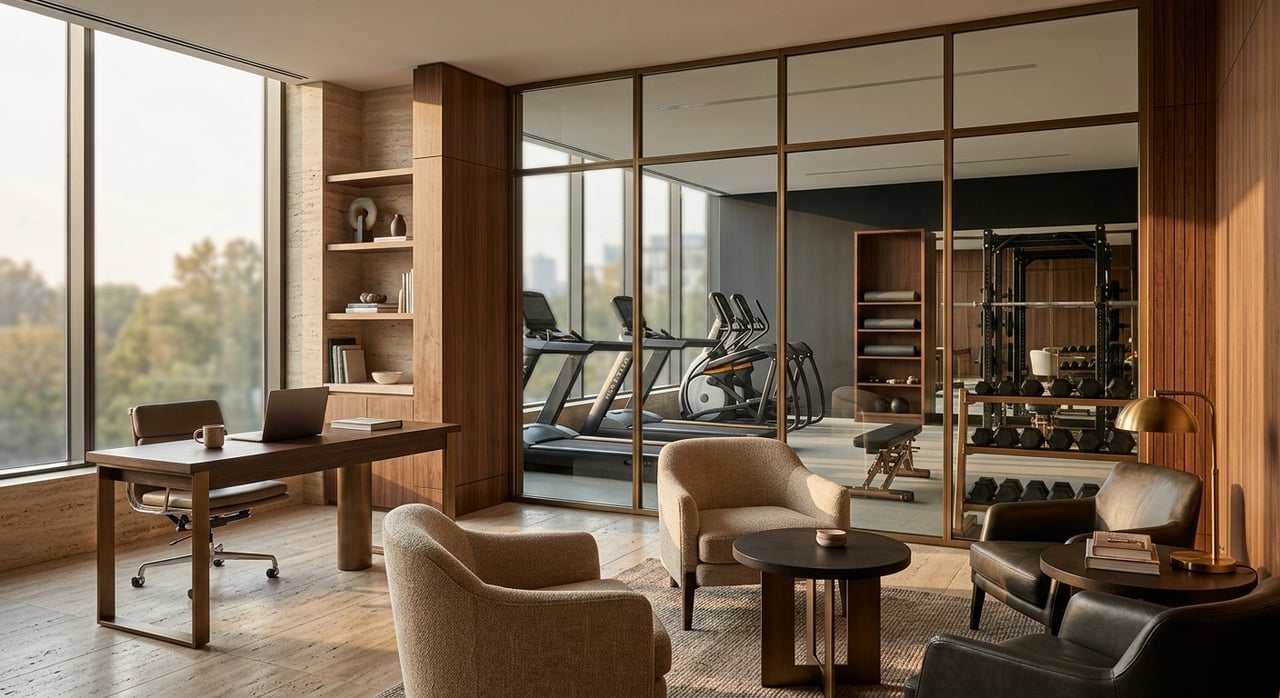
Graydon Chelsea markets a wood-paneled fitness center, while The Cortland includes a gym among its amenities. When you compare buildings, the key question is simple: will you use it enough to justify the monthly cost built into common charges?
Pools and wellness extras
Swimming pools and other high-service wellness features can stand out, especially in newer or more amenity-rich buildings. The Cortland, for example, lists a swimming pool and media room alongside its other services.
These features can be attractive, but they also tend to increase operating costs. If you are choosing between a boutique building and a full-service one, it helps to weigh whether those extras fit your lifestyle now and still make sense if you own the condo for several years.
Shared spaces matter more than buyers expect
Coworking rooms and lounges
Remote and hybrid work have made shared workspaces more relevant in condo searches. Buyers often ask whether a building has a lounge, conference room, or coworking-style area that supports meetings, focused work, or casual daily use.
StreetEasy specifically groups coworking spaces with common newer-condo amenities, and Graydon Chelsea includes a sunlit lounge in its amenity mix. These spaces can add real flexibility, especially if you work from home part of the week.
There is also some directional evidence that practical communal spaces can support resale value. A peer-reviewed study of central Tokyo condominiums found that a meeting room was associated with about a 7% increase in resale price and an external event space with about a 16% increase, though that is not a Chelsea-specific pricing rule.
Why usable spaces tend to age better
Not every flashy amenity carries equal value over time. In general, spaces with clear everyday use are easier for future buyers to understand than niche features that sound impressive but get little real use.
For Chelsea buyers, that often points back to a simple test: can you imagine yourself or a future buyer using this regularly? If the answer is yes, the amenity may be easier to justify both now and at resale.
Everyday convenience features often win
Package rooms and staff service
In Manhattan, the practical amenities are often the most valuable. Package rooms, doorman service, concierge support, and similar features may not feel glamorous at first, but they can make daily life much easier.
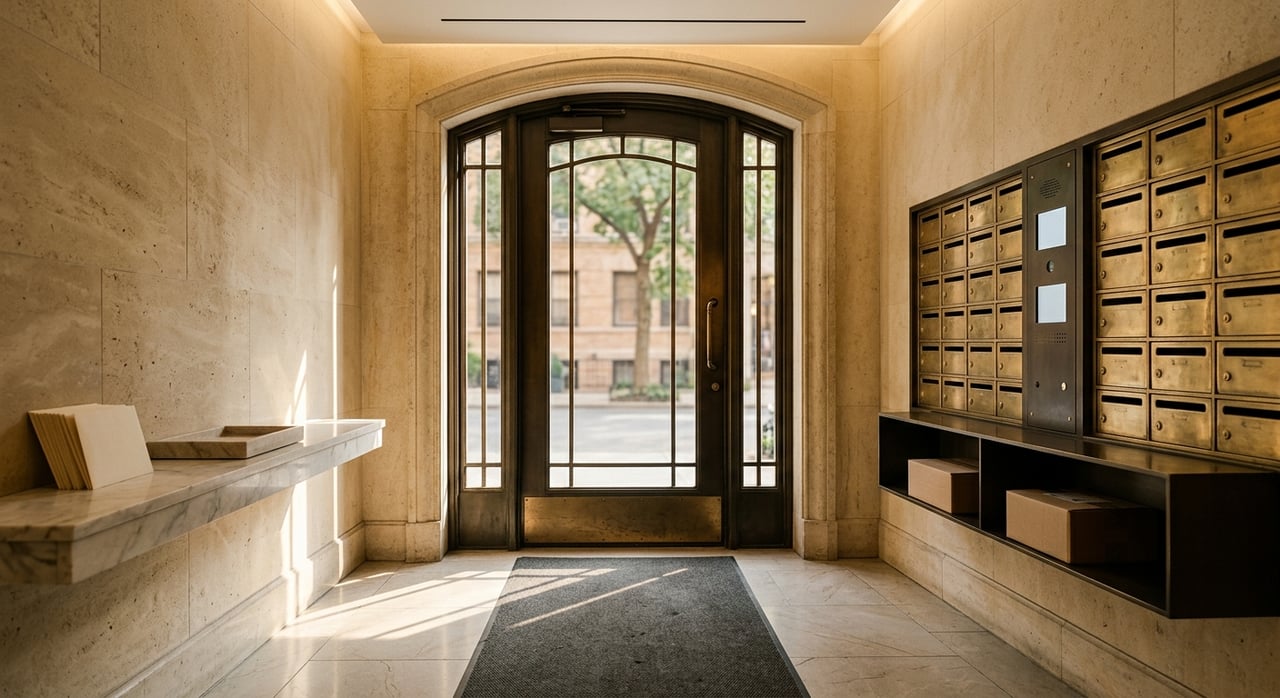
The Cortland lists a package room, concierge, full-time doorman, and valet service. In a neighborhood where schedules are busy and deliveries are constant, these conveniences can be a major reason buyers lean toward one building over another.
Storage and bike rooms
Storage can be a big deal in a city condo, especially if you are trying to keep your living space uncluttered. Bike rooms also matter for buyers who cycle or want easier storage for larger gear.
The Cortland includes both storage and a bike room, which reflects how often buyers ask about these practical spaces. Features like these may not drive the tour as much as a rooftop, but they often improve your day-to-day experience more than expected.
Pet policies are always building-specific
If you have a pet, or expect to in the future, you should verify the rules instead of relying on a listing summary. Pet-friendly policies are set at the building level, and they can vary widely.
For example, The Cortland lists cats and dogs allowed. But the New York State Attorney General advises buyers not to rely on marketing language alone, which makes it important to confirm the actual rules in the governing documents.
That means asking about size limits, number of pets allowed, breed or species restrictions, and any building procedures tied to pets. Clear answers now can save you a frustrating surprise later.
How amenities affect your monthly cost
Amenities are not free, even when they are built into the building. In a Chelsea condo, your true monthly cost is usually your mortgage plus common charges plus property taxes.
StreetEasy says common charges typically cover building operations, staff, and upkeep of amenity spaces. New York City’s Department of Finance separately bills property taxes, usually quarterly or semiannually.
CityRealty adds that common charges are based on a unit’s percentage of common interest and can rise when fuel costs increase, repairs are needed, or new services are added. It also notes that amenity-rich buildings generally have higher common charges than boutique buildings.
That is why you should evaluate asking price and monthlies together. A lower purchase price in a higher-cost building may not be the better deal if the carrying costs stretch your budget every month.
Check for tax benefits carefully
Some newer Chelsea condos may benefit from temporary tax exemptions. The New York City Department of Housing Preservation and Development says 421-a is a partial property tax exemption for certain qualifying properties, and the Department of Finance maintains current lists of properties receiving the benefit.
If a unit has an exemption, ask how long it lasts and what the tax bill looks like after it expires. A low tax figure today may not stay low forever, so this is an important part of affordability planning.
Questions to ask before you pay for amenities
A strong amenity package can absolutely add value, but only if you understand what you are buying. Before moving forward on a Chelsea condo, these are some of the most useful questions to ask:
- Is the amenity promised in the offering plan, or is it only mentioned in marketing materials?
- What do the latest board minutes and financial reports say about roof, facade, elevator, plumbing, or assessment risk?
- What do the common charges cover today, and what is billed separately?
- Does the unit receive any property tax exemption, and when does it end?
- Are pet rules, storage fees, package-room policies, guest policies, and roof-deck hours documented in the governing materials?
- Will this amenity package still feel worth the cost if you keep the condo for five to ten years?
These questions help shift the conversation from a polished showing to the real ownership picture. That is where smart buying decisions usually happen.
What tends to hold up at resale
In Chelsea, the amenities that usually travel best are the ones buyers can easily understand and use. Roof decks, terraces, a well-designed gym, package handling, storage, bike rooms, pet-friendly policies, and flexible shared spaces often check that box.
StreetEasy notes that condos generally command higher prices and higher carrying costs than co-ops in part because they are newer and offer more amenities. That makes it even more important to focus on features that support everyday life, not just a luxury presentation.
If you are trying to choose wisely, look for the overlap between lifestyle value and future buyer appeal. In many cases, the best amenity package is not the biggest one. It is the one you will use, can afford comfortably, and can explain easily to the next buyer.
If you want help comparing Chelsea condo buildings, pressure-testing monthly costs, or understanding how amenities fit into long-term value, Alex Fincham can help you sort through the details with a practical, buyer-focused approach.
FAQs
What condo amenities do Chelsea buyers ask about most?
- Buyers in Chelsea commonly ask about roof decks, terraces, private outdoor space, gyms, pools, coworking rooms, lounges, package rooms, doorman or concierge service, storage, bike rooms, and pet policies.
How do condo amenities affect monthly costs in Chelsea?
- Amenities usually affect common charges because those fees often cover building staff, operations, and upkeep of shared spaces, while property taxes are billed separately in condos.
Are rooftop amenities guaranteed in a Chelsea condo purchase?
- Not automatically. The New York State Attorney General says the offering plan governs promised rooftop and recreational features, so buyers should verify them in the official documents.
Do pet-friendly condo listings in Chelsea always mean flexible rules?
- No. Pet rules are building-specific, so you should confirm limits and requirements in the governing documents rather than relying on marketing language alone.
Should Chelsea condo buyers choose more amenities or lower monthlies?
- It depends on your budget and lifestyle, but many buyers do best when they focus on amenities they will actually use and that are likely to make sense to future resale buyers too.