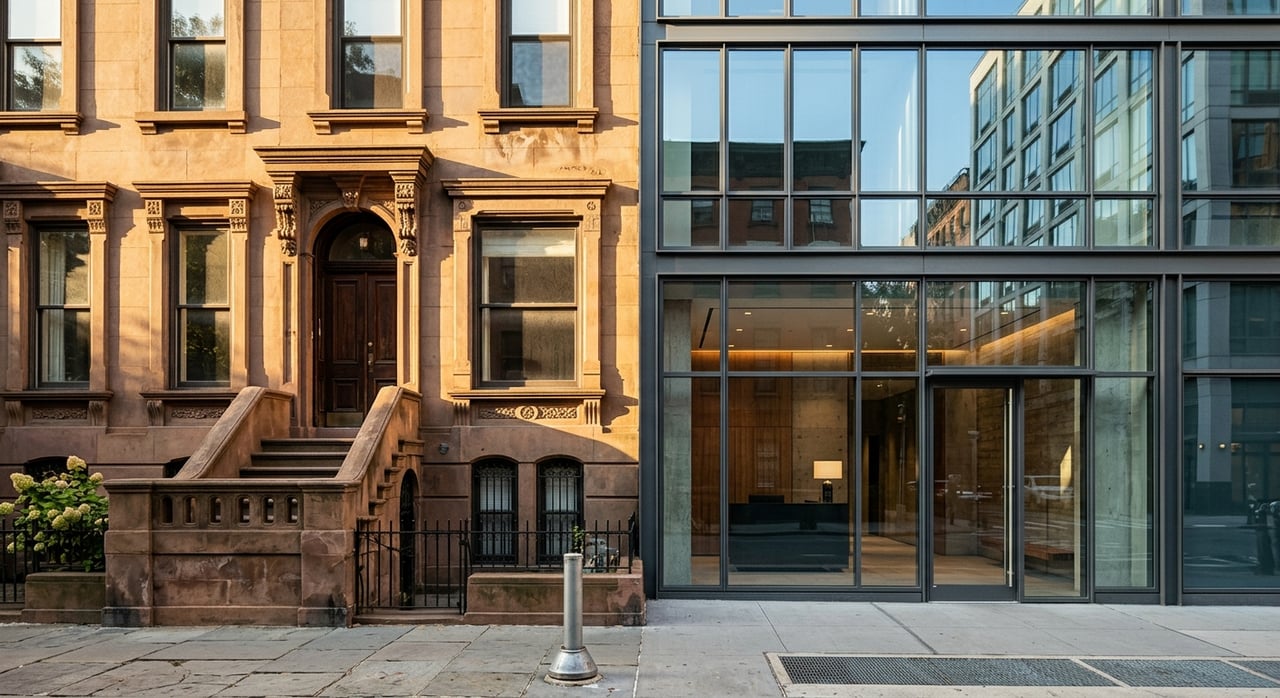
If you are deciding between a townhouse and a condo in the West Village, the choice is about more than square footage or style. In this part of Manhattan, ownership comes with very different day-to-day responsibilities, costs, and renovation rules depending on the property type. Understanding those tradeoffs can help you buy with more confidence and fewer surprises. Let’s dive in.
Why West Village context matters
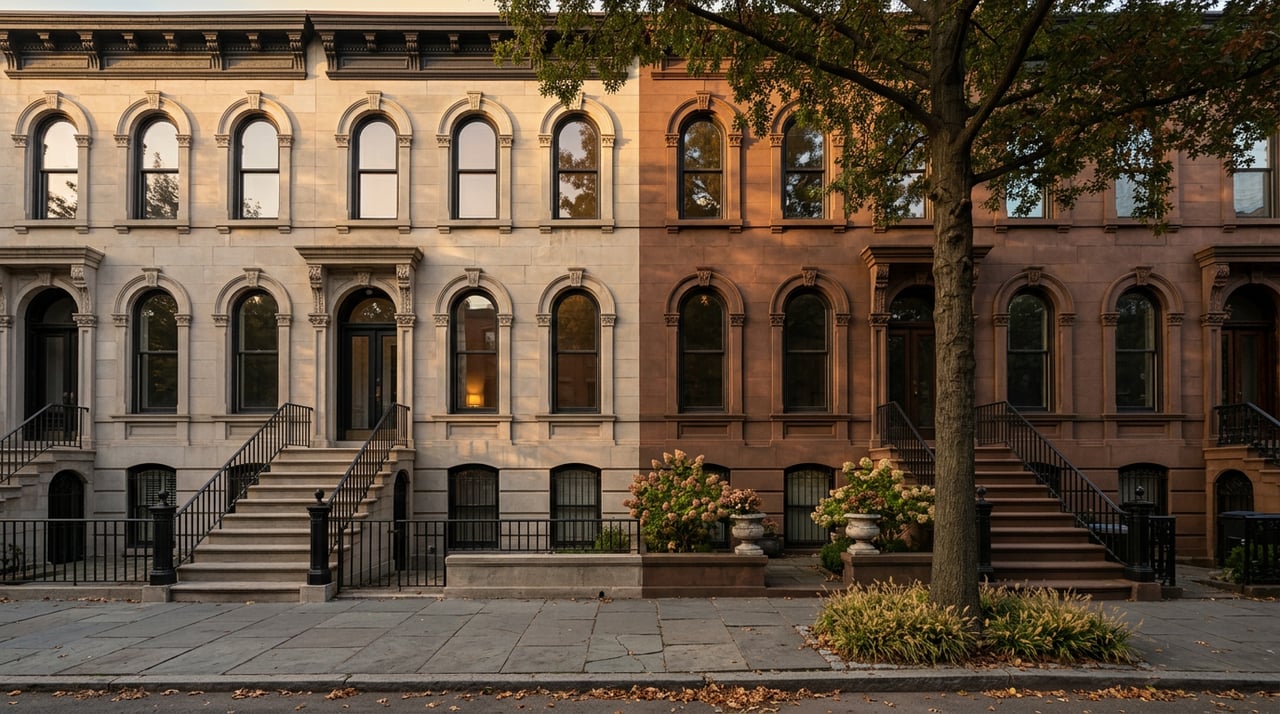
The West Village is not a plug-and-play market where every home functions the same way. It sits within a preservation-heavy part of Manhattan, and much of the area falls inside the Greenwich Village Historic District, which the Landmarks Preservation Commission says includes more than 2,000 buildings across 65 blocks.
That matters because property type affects more than lifestyle here. If you buy a townhouse in a landmarked historic district, many exterior changes may require LPC approval, while interior work generally does not. In practical terms, that can shape your timeline and flexibility for projects like window replacement, roof work, stoop repairs, rear additions, or façade changes.
How ownership differs
Condo ownership basics
With a condo, you usually own the interior of your unit while the building association manages common areas and shared systems. According to the Consumer Financial Protection Bureau, condo or HOA dues are typically paid separately from your mortgage payment.
Those dues can range from a few hundred dollars per month to more than $1,000, depending on the building and what is included. The CFPB also notes that condo buildings often carry master insurance for common areas, while you still need insurance for your own unit.
Townhouse ownership basics
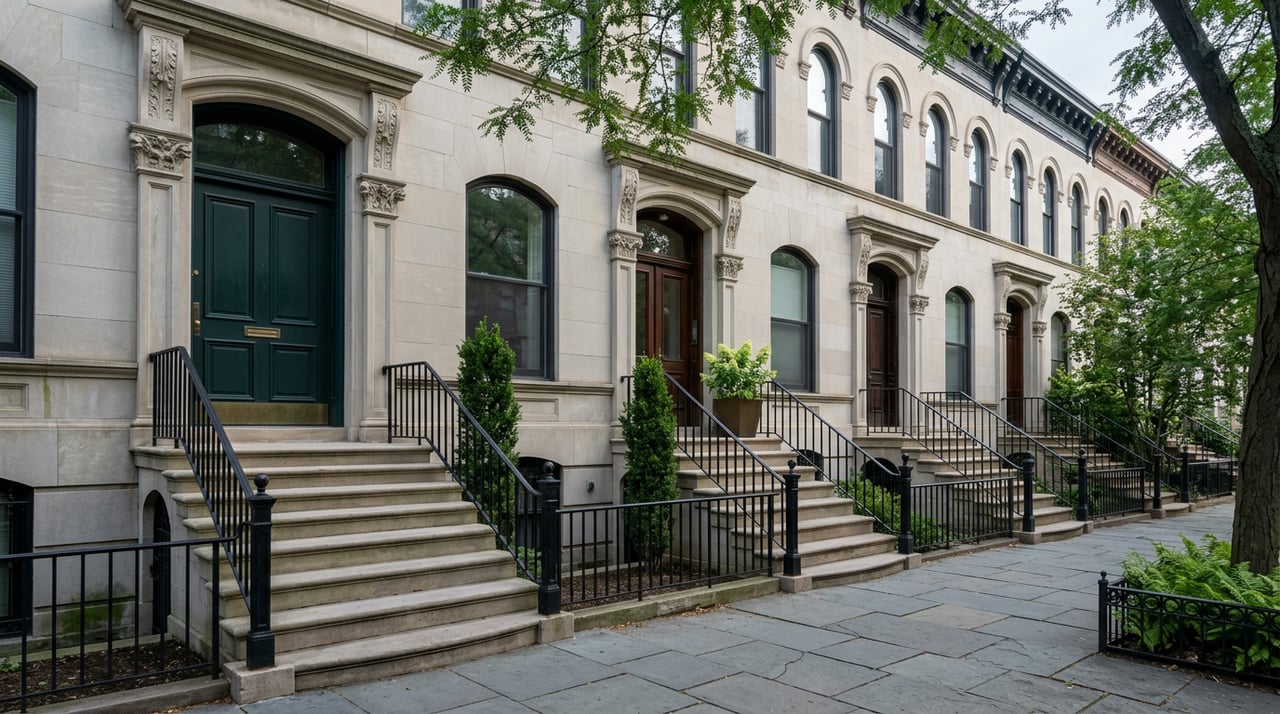
A townhouse is generally closer to owning a small house. Rocket Mortgage explains that townhouse buyers typically own the house and the land it sits on, and they are usually responsible for exterior maintenance.
That usually means more direct control over the property, but it also means more direct responsibility. In the West Village, that can include the roof, façade, windows, exterior repairs, and other lot-level maintenance items that a condo association would often handle in a larger building.
Lifestyle differences to consider
Privacy and space
For many buyers, privacy is the biggest dividing line between the two options. Townhouses often offer more separation from neighbors and a stronger sense of owning a full building rather than one residence within a larger property.
That extra privacy can be especially appealing if you want fewer shared walls, more independent entry access, or a layout spread across multiple levels. Condos, by comparison, often trade some privacy for simpler upkeep and shared building management.
Outdoor space potential
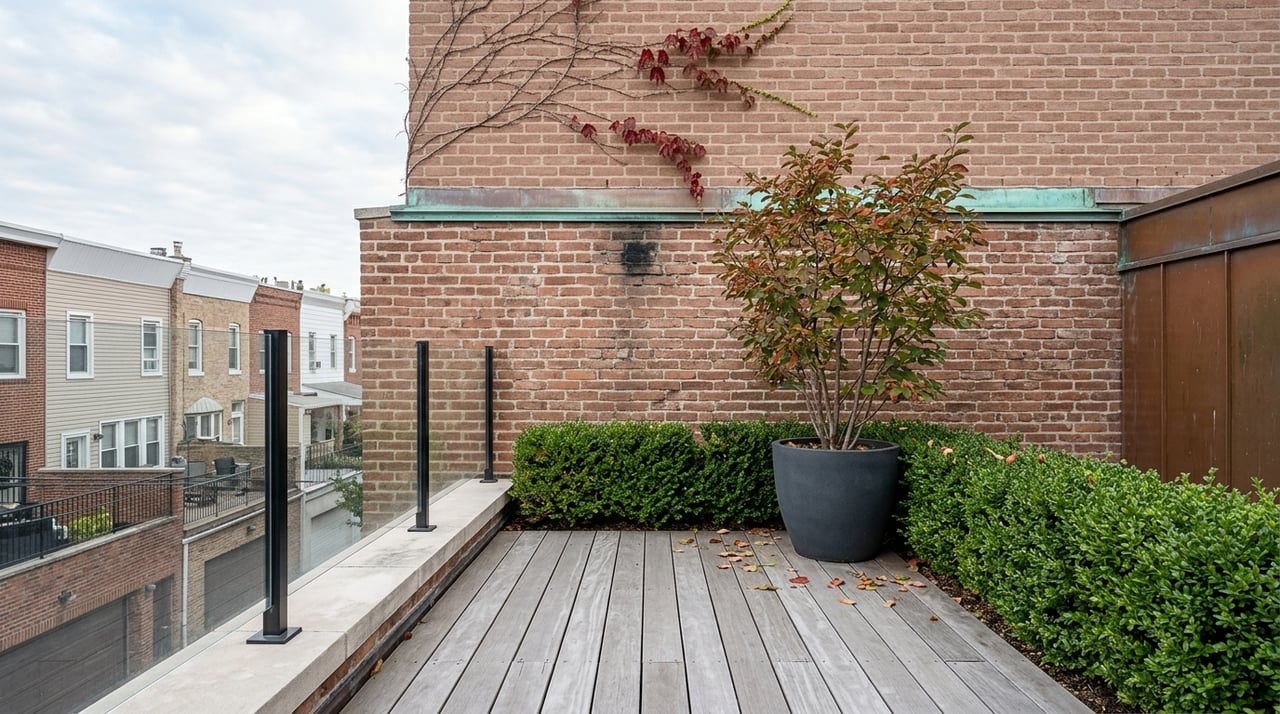
Townhouses also tend to offer a better chance at private outdoor space because the owner controls the building and lot. That does not mean every townhouse has a garden, terrace, or roof setup, but the ownership structure often gives you more potential for private exterior use.
Condos may offer balconies, terraces, or shared amenities, but those features depend heavily on the specific building. If private outdoor space is a must-have, it is worth comparing not just what exists today, but what ownership rules allow you to maintain or improve over time.
Hands-on management
A condo may fit you better if you want less day-to-day responsibility for building systems and common maintenance. A townhouse may fit better if you prefer more autonomy and are comfortable managing repairs, vendors, and long-term upkeep more directly.
That distinction becomes even more important in the West Village, where older housing stock can make maintenance planning a real part of ownership. The right fit often comes down to how involved you want to be after closing.
West Village landmark rules matter
Exterior work can require approval
In the West Village, landmark status is one of the biggest reasons townhouse ownership needs a closer look. The Landmarks Preservation Commission says it must approve most exterior alterations to landmarked buildings and buildings in historic districts.
So if you are imagining changing windows, reworking a stoop, updating a roofline, or modifying the rear of the home, that process may involve LPC review. Ordinary repairs and most interior alterations generally do not require the same level of review, but exterior plans should always be evaluated early.
Why this matters more for townhouses
A condo buyer is usually less exposed to this issue on an individual basis because building-wide exterior decisions are often handled at the association level. A townhouse owner, however, may be the one directly responsible for both the cost and approval process.
That does not make a townhouse the wrong choice. It just means your due diligence should include more than finishes and floor plan. You want to understand what has been updated, what may need approval later, and how that could affect your budget and timing.
Financing and closing timelines
Typical NYC timeline
In New York City, the path from accepted offer to closing can move quickly or stretch depending on financing and paperwork. Brick Underground reports that it is typical to spend about 10 business days from accepted offer to signed contract, then another 30 to 75 days to close depending on financing speed and building documentation.
Brick Underground also notes that mortgage underwriting in NYC often takes 45 to 60 days, while all-cash purchases can close faster. That range is useful when you are comparing a condo purchase with a townhouse purchase and trying to plan your move.
Condo financing can add another layer
Condos can sometimes involve more financing documentation than townhouses. The U.S. Department of Housing and Urban Development says FHA condo loans require condominium project approval, although some individual units may qualify through single-unit approval.
Not every condo deal is slower because of this, but building-level review can create another checkpoint. If you are financing a condo, it is smart to confirm early whether any project approval or additional building documentation may be needed.
Townhouse financing is different, not always simpler
A townhouse usually does not bring the same project-approval issue, but it still requires careful review. Title, easements, rental-unit setup, and any post-closing plans for exterior work can all matter.
In a West Village purchase, that means financing may be more straightforward in one sense, while legal and property-specific due diligence still deserves close attention. The goal is not to assume one path is easy, but to know where the friction points are likely to appear.
Comparing monthly and upfront costs
Condo carrying costs
With a condo, your monthly math should include mortgage, taxes, insurance for your unit, and common charges or HOA dues. The CFPB makes clear that those dues are usually separate from the mortgage payment, so they need to be budgeted as their own line item.
You should also ask what those charges cover and whether there are any current or likely special assessments. Lower maintenance responsibility can be a real advantage, but you still want to understand how major building repairs are funded.
Townhouse carrying costs
A townhouse may have lower or no common charges, but that does not always mean lower monthly ownership cost. Instead of paying building dues, you may need a larger reserve for repairs and replacement of exterior systems.
That can include roof work, masonry maintenance, window repair, waterproofing, and other long-term items that are fully on the owner. A townhouse budget often looks cleaner on paper, but it can be more variable over time.
Property taxes in NYC
Property tax modeling in New York City can be more nuanced than many buyers expect. According to the NYC Department of Finance, tax class 1 includes most residential properties of up to three units and most condominiums that are not more than three stories, while class 2 includes all residential property not in class 1.
For tax year 2026, NYC lists tax rates of 19.843% for class 1 and 12.439% for class 2. Not every West Village condo is automatically class 2, which is why it is important to look at the actual tax treatment of the specific property you are considering.
Some condos may qualify for abatements
Another wrinkle is that eligible tax class 2 condo developments may qualify for the co-op and condo property tax abatement. That means some condos can end up with lower effective carrying costs than a comparable townhouse, depending on eligibility.
This is one of the clearest examples of why headline purchase price does not tell the full story. In the West Village, two properties with similar asking prices can feel very different once taxes, dues, and maintenance reserves are added up.
Closing costs to budget for
For both condos and townhouses, transfer-related taxes can be significant. The NYC Department of Finance says the NYC Real Property Transfer Tax is 1% up to $500,000 and 1.425% above that for a one- to three-family house or an individual residential condo unit.
New York State also adds a mansion tax of 1% on residential real property or an interest in residential real property at $1 million or more. For NYC mortgages, that same DOF guidance shows a total mortgage recording tax of 2.175% for one- to three-family houses and individual residential condo units securing $500,000 or more, and 2.05% below that threshold.
As an illustration, on a $2 million West Village purchase with a $1.6 million mortgage, tax-only closing charges come to about $83,300 before attorney, title, inspection, and escrow items, based on current statutory rates cited in the research. That kind of example is a good reminder that comparing townhouse versus condo ownership should always include both monthly carry and upfront cash needs.
Questions to ask before you buy
Before you commit to either property type, it helps to ask focused questions that match the West Village market:
- Is the property in a landmarked district, and will any planned exterior work require LPC approval?
- What do the monthly charges cover, and are there any current or likely special assessments?
- Is the condo eligible for the co-op/condo property tax abatement?
- If you are financing, is any condo project approval or other building-level review needed?
- What is the realistic contract-to-close timeline based on your financing plan?
The answers can quickly clarify whether a condo or a townhouse is the better fit for your budget, timeline, and comfort level with ownership responsibilities.
Which option fits you best?
If you value autonomy, privacy, and the possibility of more private outdoor space, a townhouse may be the stronger fit. If you would rather limit hands-on maintenance and prefer shared management of building systems, a condo may make more sense.
In the West Village, the best decision usually comes down to three things: your monthly budget, your renovation goals, and how much property management you want to take on yourself. The smart move is not just to compare listings, but to compare ownership experiences.
If you want help weighing townhouse versus condo options in the West Village, Alex Fincham can help you evaluate the real numbers, the property-specific tradeoffs, and the process from search through closing.
FAQs
What is the main difference between a townhouse and condo in the West Village?
- A townhouse usually gives you ownership of the house and land with more direct maintenance responsibility, while a condo usually means owning the interior of your unit and paying monthly dues for shared building upkeep.
Do West Village townhouses have more renovation restrictions than condos?
- They can, especially if the townhouse is in a historic district where exterior changes may require Landmarks Preservation Commission approval.
Are condo fees included in a monthly mortgage payment in NYC?
- No. The CFPB says condo and HOA dues are usually paid directly to the association and are typically not included in your monthly mortgage payment.
Can a West Village condo have lower taxes than a townhouse?
- In some cases, yes. Tax treatment depends on the property’s tax class, and some eligible tax class 2 condo developments may qualify for the co-op/condo property tax abatement.
Does condo financing in the West Village take longer than townhouse financing?
- It can. Condo financing may involve added building-level review or project approval requirements, while townhouse deals usually avoid that specific step but still require property-level legal and title review.