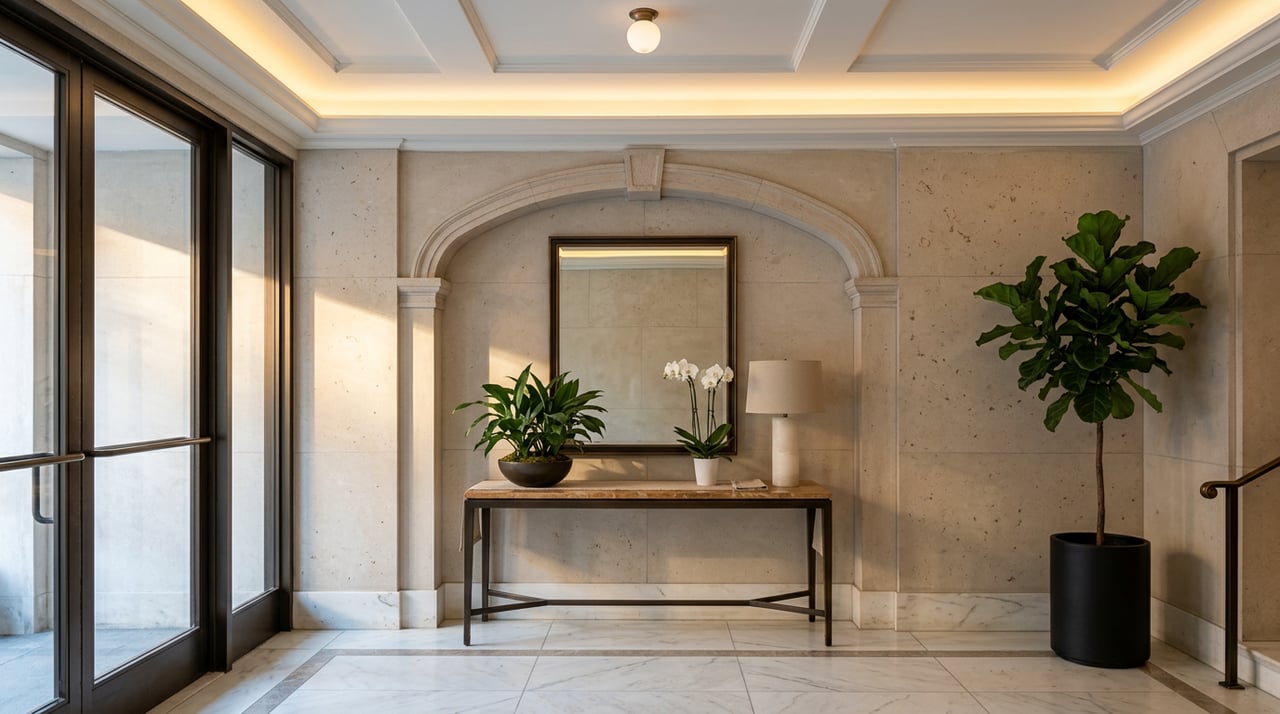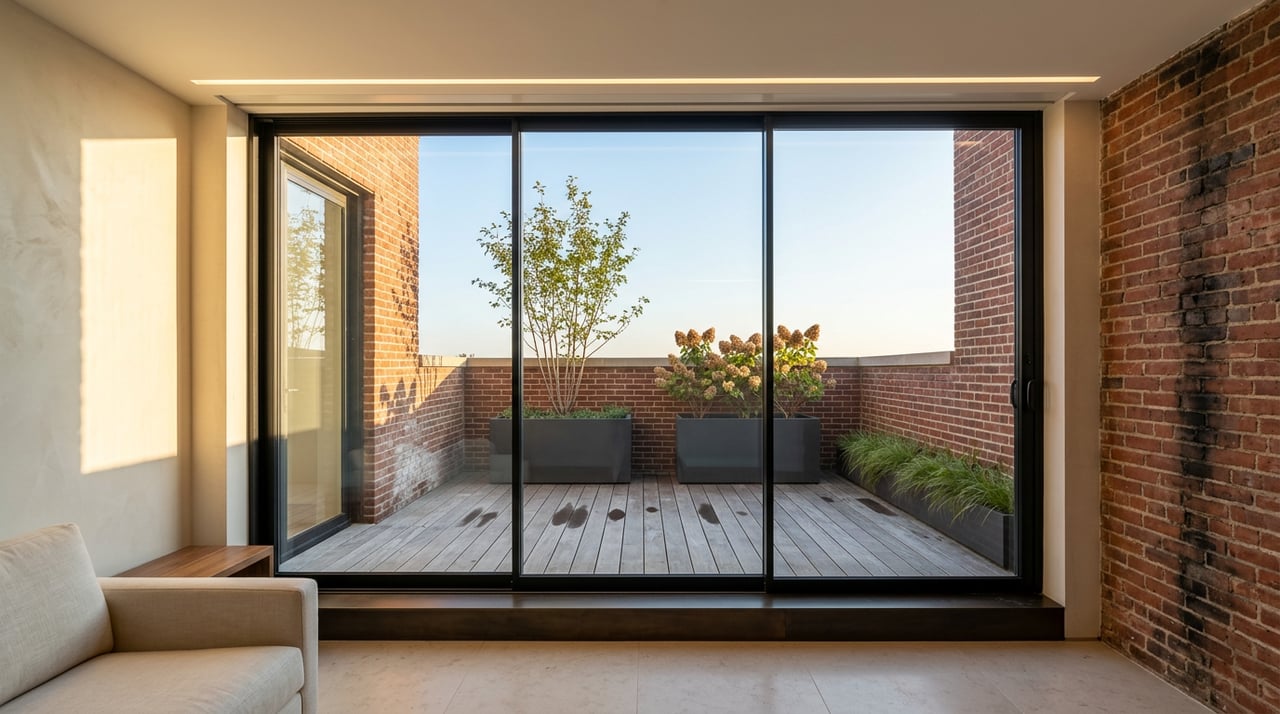
Looking at Tribeca lofts and wondering whether the romance matches the reality? You are not alone. For many buyers, loft living promises volume, character, and a true downtown feel, but it also comes with building-specific details that can shape your day-to-day experience. If you are considering a purchase in Tribeca, this guide will help you understand what makes these homes different, what to look for during your search, and where the biggest tradeoffs tend to show up. Let’s dive in.
Why Tribeca lofts feel different
Tribeca’s loft housing stock is tied closely to the neighborhood’s industrial and commercial past. Under the Special Tribeca Mixed Use District, a loft dwelling is defined as a dwelling unit in a building designed for non-residential use and erected before December 15, 1961. That matters because many of the homes buyers love here began life as warehouses, store-and-loft buildings, or other commercial properties rather than as purpose-built residential towers.
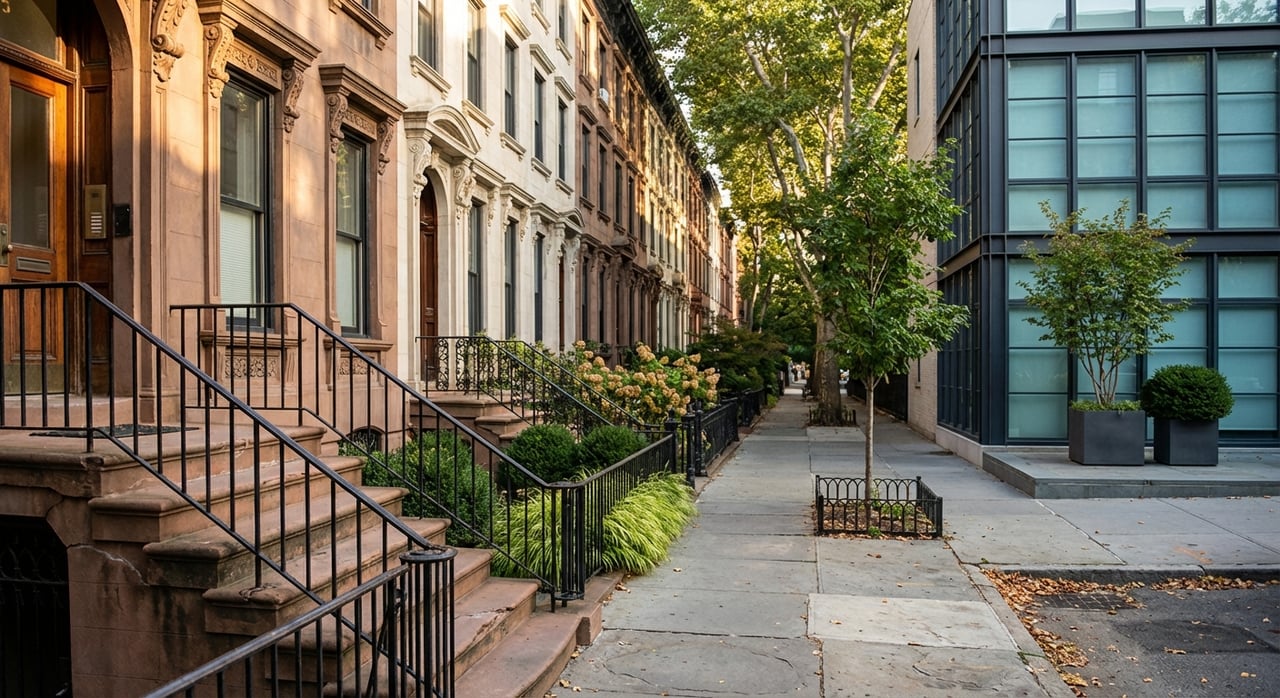
That history still shapes the neighborhood’s look and feel today. The Landmarks Preservation Commission’s historic district designations identify Tribeca East, North, South, South Extension, and West as distinct historic districts, each with a strong collection of older commercial buildings. In Tribeca East, for example, planning materials note that buildings are typically 5 to 6 stories tall, which helps explain the area’s low-rise warehouse character and broad sense of scale.
What buyers love about loft living
Open layouts and scale
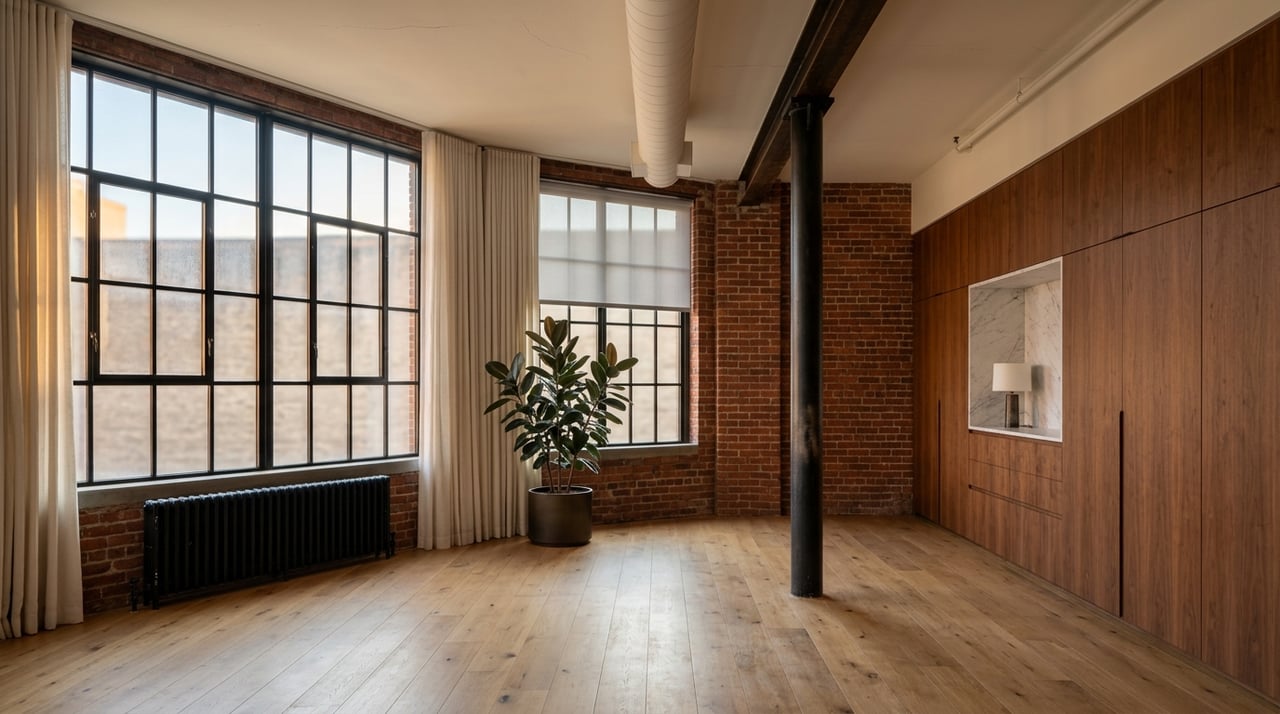
A big part of the appeal is volume. As Architectural Digest explains in its overview of loft design, lofts are often defined by open floor plans, large windows, high ceilings, and generous natural light. In Tribeca, those features can create a home that feels flexible, dramatic, and very different from a more conventional apartment layout.
That openness also gives you more freedom in how you live. You may be able to carve out zones for dining, working, entertaining, or lounging without fully closing off the space. For buyers who value design, character, and a less compartmentalized layout, that can be a major draw.
Windows and natural light
Large windows are one of the signature features that draw buyers to Tribeca lofts. But not all light is equal. According to the Rutgers residential daylighting guide, daylight quality depends on orientation, window placement, and the depth of the floor plate.
In practical terms, the perimeter of a loft may feel bright and airy while interior areas may need artificial lighting for much of the day. A beautiful open space can still have darker interior corners, especially in deeper layouts. That is why seeing a unit in person, and ideally at different times of day, can tell you much more than photos alone.
Flexible design potential
Lofts often shine when thoughtful design supports the openness. Custom millwork, built-ins, and concealed storage are common solutions in renovated lofts because they help preserve the sense of volume while improving daily function. Architectural coverage of loft-style renovations in New York consistently shows how integrated storage and custom planning can make large open spaces work better.
For you as a buyer, that means the best loft is not always the one with the most square footage. It is often the one where the layout, storage, and light have been considered carefully.
The tradeoffs buyers should expect
Sound can carry
The same features that make a loft feel grand can also make it sound more active. Harvard Health notes that open floor plans and high ceilings can make communication harder and can increase the effect of mechanical noise from appliances and HVAC systems. In a loft setting, hard surfaces and larger volumes can make everyday sound more noticeable.
That does not mean every Tribeca loft is noisy. It means you should pay attention to what you hear during a showing. Listen for street noise, hallway noise, neighboring units, and building systems, especially if you are sensitive to sound or work from home.
Mixed-use surroundings are part of the package
Tribeca is not simply a residential district with older-looking buildings. The neighborhood’s mixed-use zoning framework is intended to allow stable industries, light manufacturing, and compatible residential uses to coexist. For buyers, that means the area’s authentic character is closely tied to a real mix of uses.
This is part of what gives Tribeca its identity, but it is worth understanding before you buy. A loft purchase here is often about embracing a neighborhood with commercial roots and a layered streetscape, not expecting a purely residential environment.
Storage needs more attention
Storage is one of the easiest details to underestimate when touring lofts. Open volume can feel luxurious, but it does not always come with enough closets, pantry space, utility storage, or hidden organization. In many New York loft renovations, custom closets, desks, and concealed storage become essential parts of the design.
When you tour a Tribeca loft, try to think beyond furniture placement. Ask yourself where coats, luggage, cleaning supplies, seasonal items, and work materials will actually go. In many cases, storage is not an extra feature. It is part of whether the home will function well for you.
Conversions versus newer residential buildings
Building history matters
A Tribeca loft conversion is more than a look. It can come with legal and operational details tied to the building’s path from commercial to residential use. The New York City Loft Board oversees certain buildings covered by the Loft Law, known as Interim Multiple Dwellings, and requires owners to complete work needed to obtain a residential certificate of occupancy.
For buyers, that creates an important due diligence question. Is the building fully legalized as residential, still working through Loft Board issues, or long past the conversion stage as a completed condo or co-op? The answer can affect expectations around building-wide work, timing, and ongoing obligations.
Historic district status can shape future changes
Many Tribeca loft buildings sit within historic districts, and that can affect exterior work. According to the Landmarks Preservation Commission permit guidance, many changes to front and rear facades in historic districts require LPC review, including some window replacements, storefront changes, cornice work, and rooftop additions.
That does not mean ownership is complicated by default. It does mean that if you care about future exterior changes, or if building work is being discussed, you should understand what approvals may be needed. Ordinary repairs may not require review, but larger visible changes often do.
Condo and co-op ownership are not the same
Two lofts can look similar on the inside and still offer a different ownership experience. New York City Finance describes a condominium as a multi-unit property where units are individually owned, while co-op ownership is share-based through a corporation that owns the building. That difference can affect how ownership, approvals, and building operations are structured.
If you are comparing loft options in Tribeca, be careful not to treat ownership type as a minor detail. The style may feel similar, but the practical experience can differ in meaningful ways.
A smart Tribeca loft checklist
When you start narrowing down options, focus on a few practical questions:
- Is the building located in one of Tribeca’s historic districts, and are any exterior changes planned or pending?
- Is the property a condo, co-op, or part of a building with Loft Law or Loft Board considerations?
- How does the light change throughout the day based on window placement, orientation, and layout depth?
- What do you hear inside the apartment, in common areas, and from the street?
- How much built-in storage exists today, and where would additional storage realistically go?
These questions may sound simple, but they can quickly separate a beautiful space from a truly workable home.
What this means for your search
Buying a Tribeca loft is often as much about understanding the building as it is about loving the apartment. The neighborhood’s most compelling homes are tied to older commercial architecture, historic district context, and mixed-use streets that give Tribeca its identity. That is exactly why buyers are drawn to them.
At the same time, the smartest purchases usually come from balancing style with function. If you look closely at light, sound, storage, ownership structure, and building history, you will be in a better position to choose a loft that fits both your taste and your day-to-day life.
If you are exploring lofts in Tribeca and want a practical, buyer-first perspective on building details, layout potential, and off-market opportunities, Alex Fincham can help you search with clarity and confidence.
FAQs
What makes a Tribeca loft different from a typical apartment?
- Many Tribeca lofts were created from older commercial or warehouse buildings, which often means open layouts, high ceilings, larger windows, and a building history that differs from purpose-built residential properties.
Why should buyers check historic district status for a Tribeca loft?
- Historic district status can affect exterior changes because certain work, such as some window replacements or rooftop additions, may require review by the Landmarks Preservation Commission.
How should buyers evaluate light in a Tribeca loft?
- You should visit at different times of day if possible and pay attention to orientation, window placement, and how far daylight reaches into the interior of the loft.
What sound issues should buyers consider in a Tribeca loft?
- Open layouts, high ceilings, hard finishes, street activity, and building mechanical systems can all make sound more noticeable, so it is important to listen carefully during showings.
Why does ownership structure matter for a Tribeca loft purchase?
- A loft can be in a condo, co-op, or a building affected by Loft Law issues, and each structure can shape approvals, operations, and your overall ownership experience.