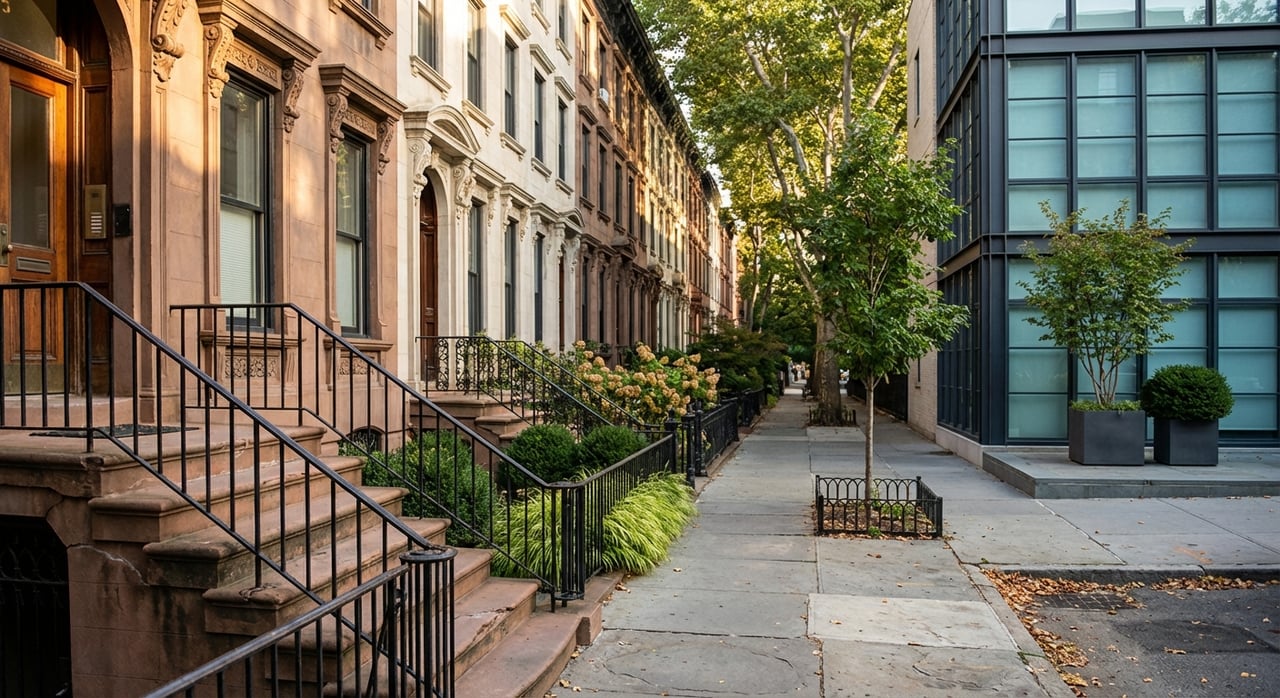
You step onto a tree-lined block of brownstones, pass a corner deli setting out crates of fruit, and hear a pickup game warming up at the schoolyard. That first stroll through Bedford-Stuyvesant feels distinctly Brooklyn: historic, neighborly, and full of small everyday moments. If you are deciding whether Bed-Stuy fits your life, you likely want a clear picture of the streets, amenities, culture, transit, and housing costs. This guide walks you through a typical day and what to expect, so you can make a confident next move. Let’s dive in.
Bed-Stuy at a glance
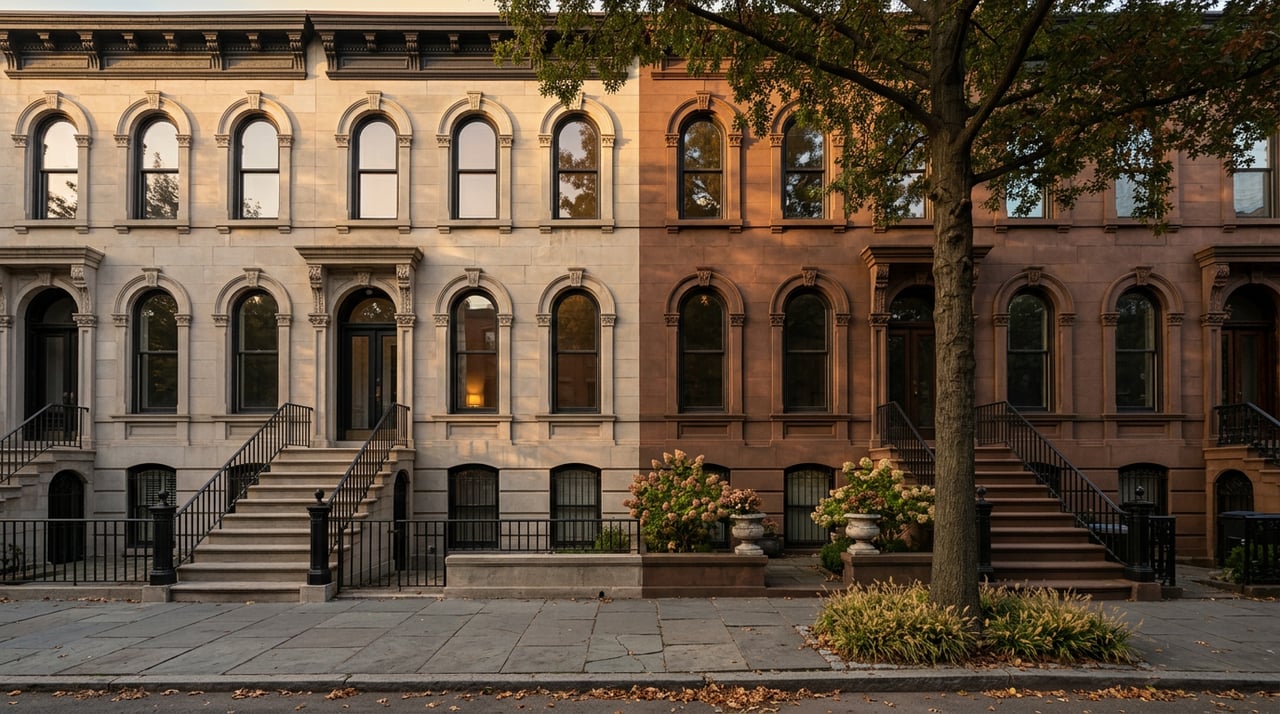
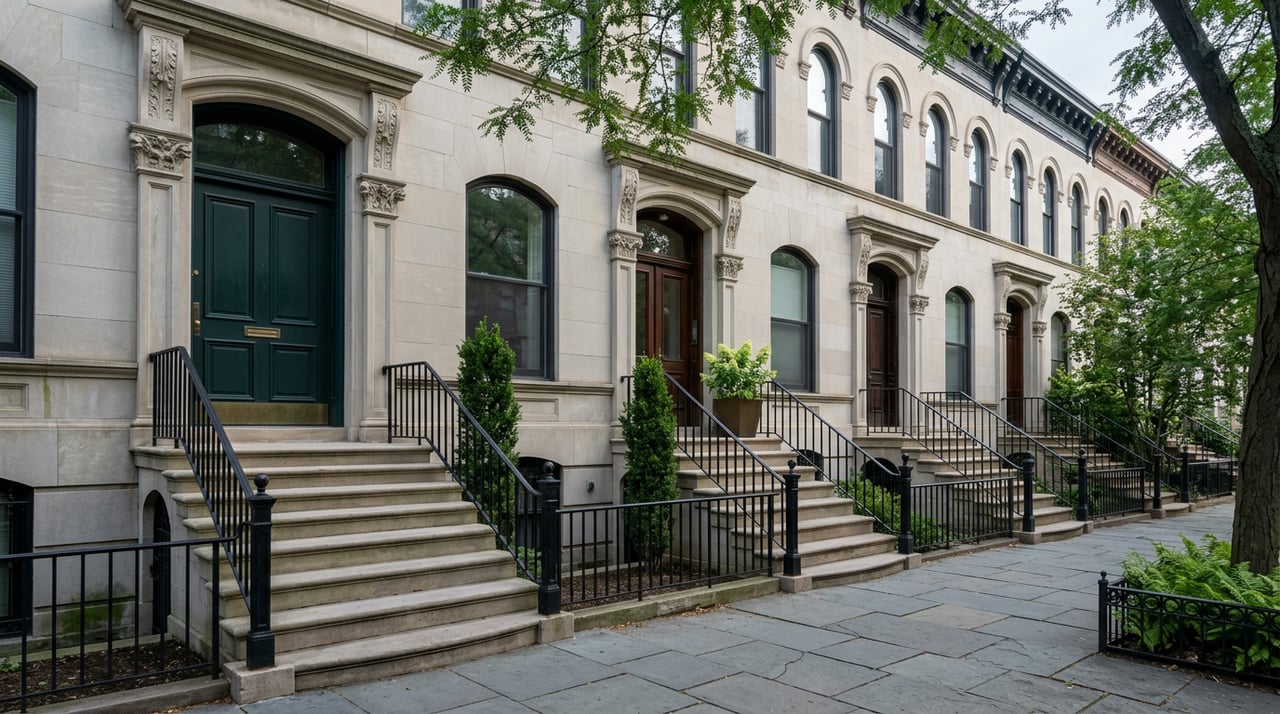
Bed-Stuy sits in north-central Brooklyn and is known for dense rows of late-19th and early-20th century brownstones and rowhouses. Landmark districts like Stuyvesant Heights help preserve the area’s architectural character, which is a big part of why people think of it as classic “brownstone Brooklyn.” The neighborhood blends long-time residents with newer arrivals, and the feel can shift from one block to the next.
Main corridors such as Fulton Street, Tompkins Avenue, and Nostrand Avenue offer active retail, while nearby side streets lean residential with stoops and mature trees. For a quick snapshot of local prices and neighborhood context, explore the StreetEasy Bed-Stuy profile.
Streetscape and architecture
If you love historic detail, Bed-Stuy delivers. Many blocks feature Italianate, Neo-Grec, Queen Anne, and Romanesque Revival façades. Stoop culture is very much alive, and the rhythm of bay windows and carved stone defines the streetscape. The neighborhood’s protected districts help keep that fabric intact, shaping renovation conversations and keeping the visual identity consistent. You can read more about the area’s architectural styles through the Historic Districts Council’s Bedford entry.
Guides often note the unusually large collection of pre-1900 housing stock here, which draws people who want traditional New York streets with historic charm. That heritage is part of daily life, from the way morning light hits sandstone to the quiet of residential side streets during the week.
Coffee, food, and corner life
Morning starts with independent cafés and small bakeries that double as work-from-laptop spots and neighborhood meeting points. On Tompkins, Fulton, and Nostrand you will find a mix of coffee, brunch, and casual dining. Expect longstanding favorites alongside newer concepts, from soul food to pizza. It is common to run errands on foot, picking up groceries, stopping by a bodega, or browsing a boutique.
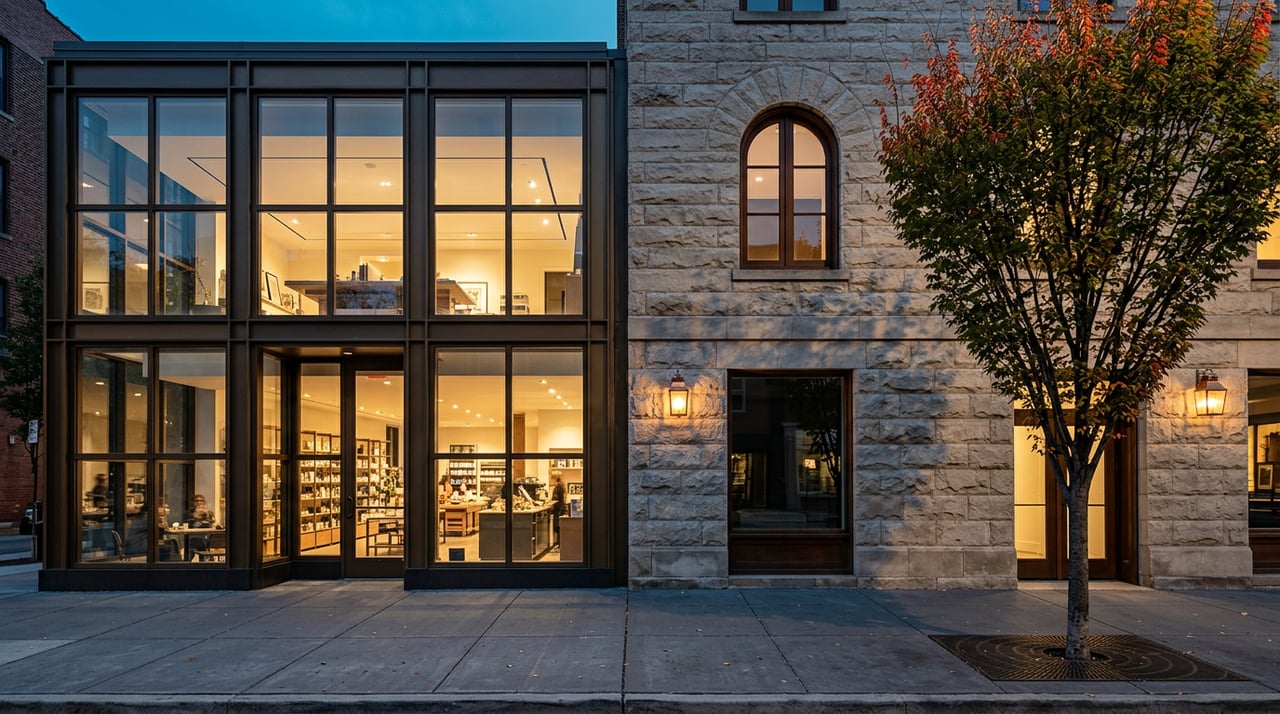
The retail scene is modest in scale and very local in feel. You will pass barbers, laundromats, and small services throughout the day, with more activity on the main corridors and a calmer residential pace just a block or two over.
Parks, gardens, and outdoor time
Herbert Von King Park is often called the neighborhood’s outdoor living room. Located around Tompkins and Lafayette, it has ball courts, playgrounds, lawns, and a long-running cultural arts center that hosts programming and events. If you want a reliable, close-by green space, it is a frequent go-to. Check current amenities and programming through the NYC Parks page for Herbert Von King Park.
Community gardens and small urban farms add to the neighborhood’s social fabric. Volunteer days, seasonal markets, and gardening programs pop up across the area, and spaces like the Bed-Stuy Farm reflect a hands-on, community-minded vibe. You will also find smaller parks and playgrounds such as Saratoga Park, as well as schoolyards that host weekend play and pickup games. The exact feel varies block by block, with periodic city upgrades to courts and play areas.
Culture and community anchors
Restoration Plaza, operated by the Bedford-Stuyvesant Restoration Corporation, is often described as the neighborhood’s civic heart. It hosts arts programming, community services, markets, and the Billie Holiday Theatre. To get a sense of what is happening now and in the near future, browse Restoration Plaza’s events and programs.
Another essential stop is the Weeksville Heritage Center, which preserves the history of one of the earliest free Black communities in the area. Weeksville’s talks, tours, and events regularly appear on cultural itineraries and offer a meaningful way to understand local history; learn more through this overview of Weeksville’s legacy.
For contemporary art, MoCADA highlights artists of the African diaspora with community-facing exhibitions and events. If you value a cultural calendar close to home, keep an eye on MoCADA’s programming.
Transit and commute reality
Transit access depends on your exact block. The Crosstown G line connects within Brooklyn, while the A/C along Fulton Street and the J/M/Z along Broadway serve parts of the neighborhood. Many residents find overall Brooklyn connectivity strong, while Manhattan commutes can be longer than in some closer-in neighborhoods.
A common rule of thumb is to budget about an hour to many parts of Manhattan, depending on your nearest station and transfers. Service projects have affected the G line at times in recent years, so if that route is central to your commute, it is smart to check advisories like this roundup of G train service changes and upgrades. If a shorter commute is a priority, confirm walking times to your closest station before you commit to a block or building.
Housing snapshot: renters and buyers
As of the latest neighborhood profile, StreetEasy shows a median sale price around 1.3 million dollars and a median base rent in the low 3,000s, roughly 3,300 dollars. These figures are point-in-time estimates and can shift with new listings and concessions. You can track current numbers on the StreetEasy Bed-Stuy page.
For renters
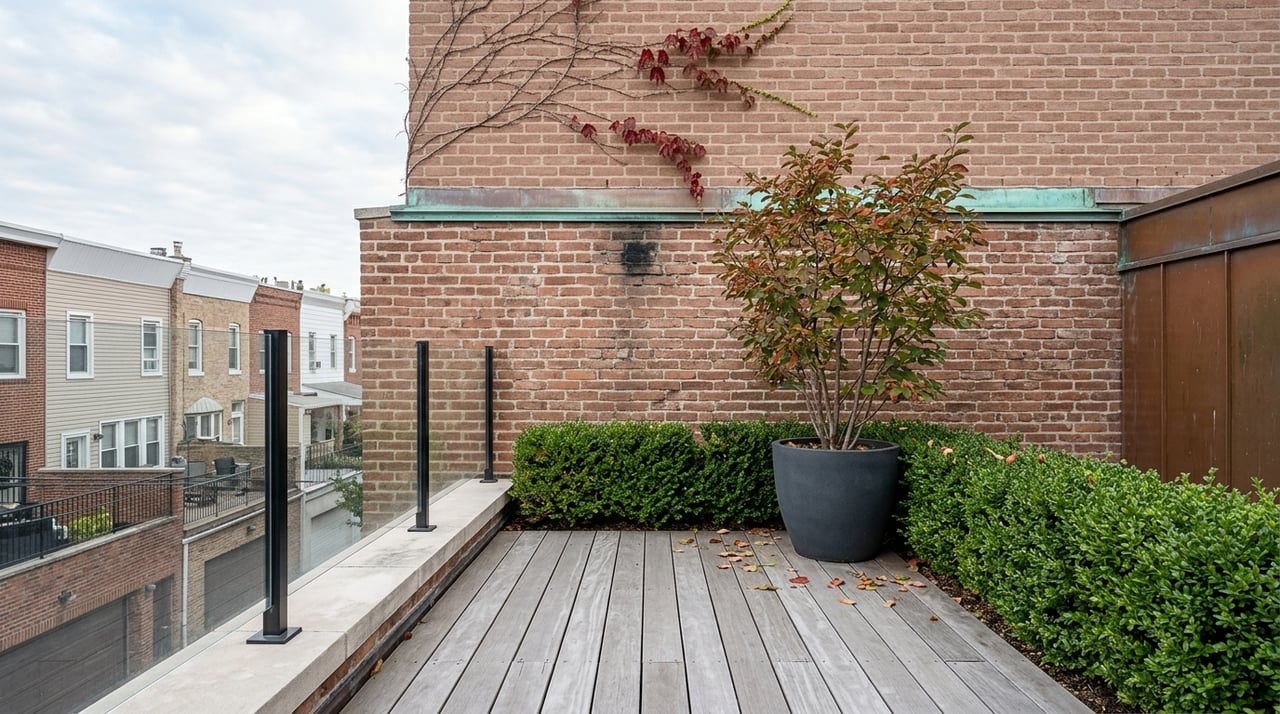
You will see a wide mix: garden and walk-up apartments in brownstones, units in small elevator buildings, and a growing number of newer rentals along major corridors like Fulton and Atlantic. Older buildings often trade elevator or amenity packages for historic detail and location, while newer developments come with higher rents and on-site perks. Renovated brownstone garden apartments can command premiums, especially on especially photogenic blocks.
If you are budget-conscious, it pays to compare blocks a few avenues apart. Effective rents can change with concessions, and proximity to a higher-demand corridor can nudge prices up.
For buyers
Townhouses and two- to four-family buildings make up a big share of the for-sale market. Classic brownstone blocks tend to command premiums, while homes deeper east or farther from key corridors can offer comparatively lower entry points. If you are weighing a renovation or value-add play, many buyers look at multi-family layouts for income potential or future flexibility. The right block selection matters, so compare recent comps by micro-location.
Who Bed-Stuy fits
You will likely feel at home here if you:
- Value historic architecture and stoop-side living.
- Want small-scale, independent retail within a short walk.
- Prefer strong Brooklyn connectivity and can plan for a longer Manhattan commute.
- Like an active local calendar with parks, arts programming, and community events.
If you want a high-rise skyline or a short walk to multiple express lines, you may prefer a different part of Brooklyn. If your wish list centers on a brownstone street with morning cafés, weekend markets, and neighborhood institutions, Bed-Stuy is worth a serious look.
A simple day in Bed-Stuy
Start with coffee on a side street, then head to Herbert Von King Park for a quick run or a playground visit. Walk Tompkins Avenue for brunch and small shops, and stop by a community garden open day if it is on the calendar. In the afternoon, catch an exhibition or a talk at MoCADA or plan a visit to Weeksville to deepen your sense of place. As evening sets in, dinner near Fulton or one of the quieter avenues keeps things close to home.
When you are comparison-shopping neighborhoods, this everyday flow matters. Bed-Stuy’s appeal is less about marquee attractions and more about the steadiness of local life, set against one of Brooklyn’s most recognizable historic backdrops.
Ready to see how different blocks compare or to run the numbers on rent, buy, or renovate scenarios? Connect with Alex Fincham for local guidance, off-market access, and a plan tailored to your next move.
FAQs
What should I know about Bedford-Stuyvesant’s architecture?
- Many blocks feature protected historic districts with Italianate, Neo-Grec, Queen Anne, and Romanesque Revival rowhouses that define “brownstone Brooklyn,” as outlined by the Historic Districts Council.
How long is the commute from Bed-Stuy to Manhattan?
- Many residents budget about an hour, depending on the nearest station and transfers; verify routes and real-time advisories before you decide on a block.
Which subway lines serve Bedford-Stuyvesant?
- The G runs through the neighborhood, with A/C along Fulton and J/M/Z along Broadway serving different sections; check for planned work like the G line updates noted by 6sqft.
What are the main parks and green spaces in Bed-Stuy?
- Herbert Von King Park is a central hub with courts, playgrounds, and an arts center; you will also find Saratoga Park, schoolyards, and community gardens like Bed-Stuy Farm.
What do homes and rentals cost in Bedford-Stuyvesant?
- StreetEasy’s latest profile shows a median sale around 1.3 million dollars and a median base rent near 3,300 dollars, with wide variation by block and building; see current figures on StreetEasy.
What cultural institutions should I know in Bed-Stuy?
- Restoration Plaza hosts arts and community programs, Weeksville offers history and tours, and MoCADA presents contemporary art centered on the African diaspora.