Wondering why one Chelsea condo sits while another gets serious interest fast? In a market with luxury towers, loft conversions, and postwar buildings all competing for attention, pricing is rarely about picking a neighborhood average and hoping for the best. If you want to sell with confidence, you need to understand what today’s Chelsea market is really signaling and how buyers are likely to respond. Let’s dive in.
Chelsea pricing starts with context
Chelsea remains one of Manhattan’s higher-value condo markets, but the numbers vary depending on where you look and what slice of inventory is being measured. Redfin shows 193 condos for sale with a median listing price of $1.75 million and about 76 days to sell, while Realtor.com shows a median listing price of $1,949,500, a median sold price of $1,520,000, and homes selling about 1.48% below asking on average in May 2026.
PropertyShark’s May 2026 Chelsea condo snapshot comes in much higher, with a median condo sale price of $2.9 million and a median price per square foot of $1,656. Those differences do not mean one source is wrong. They show how segmented Chelsea is and why your condo should be priced from the right comp set, not a broad neighborhood median.
Why neighborhood averages can mislead
Chelsea has a wide pricing range. New York City Finance closed-sales data from 2025 includes condo closings below $1 million, many sales in the roughly $1.3 million to $2 million range, and even an $18 million penthouse sale at 345 West 14th Street.
That spread matters because buyers are not comparing every Chelsea condo to every other Chelsea condo. They are comparing your unit to the most similar options by building, line, size, finish level, and amenities. A strong pricing strategy starts there.
How a smart list price gets built
Start with the narrowest comp set
The best comp set is usually your own building if recent sales exist. If not, the next step is to look at nearby condos with a similar layout, age, exposure, common charges, and renovation quality.
That approach matters in Chelsea because the housing stock is so varied. A converted loft, a postwar elevator condo, and a newer full-service tower may all be in the same neighborhood, but buyers do not value them the same way.
Adjust for floor and view
In Manhattan, floor height and view can move value in a meaningful way. A New York City planning market study used a valuation assumption of about 1% per floor and a one-time 10% premium for higher-floor view advantages.
That is not a rule you can apply blindly to every listing. Still, it is a useful reminder that a higher floor, stronger light, and better outlook can justify a different price bracket than a lower-floor unit in the same building.
Factor in condition and building type
A newer or recently renovated condo should not be priced like an older unit that offers a very different lifestyle. PropertyShark found that newer condos sold for $1.14 million versus $995,000 for older condos citywide, and newer homes across property types sold at a 58% premium over older stock.
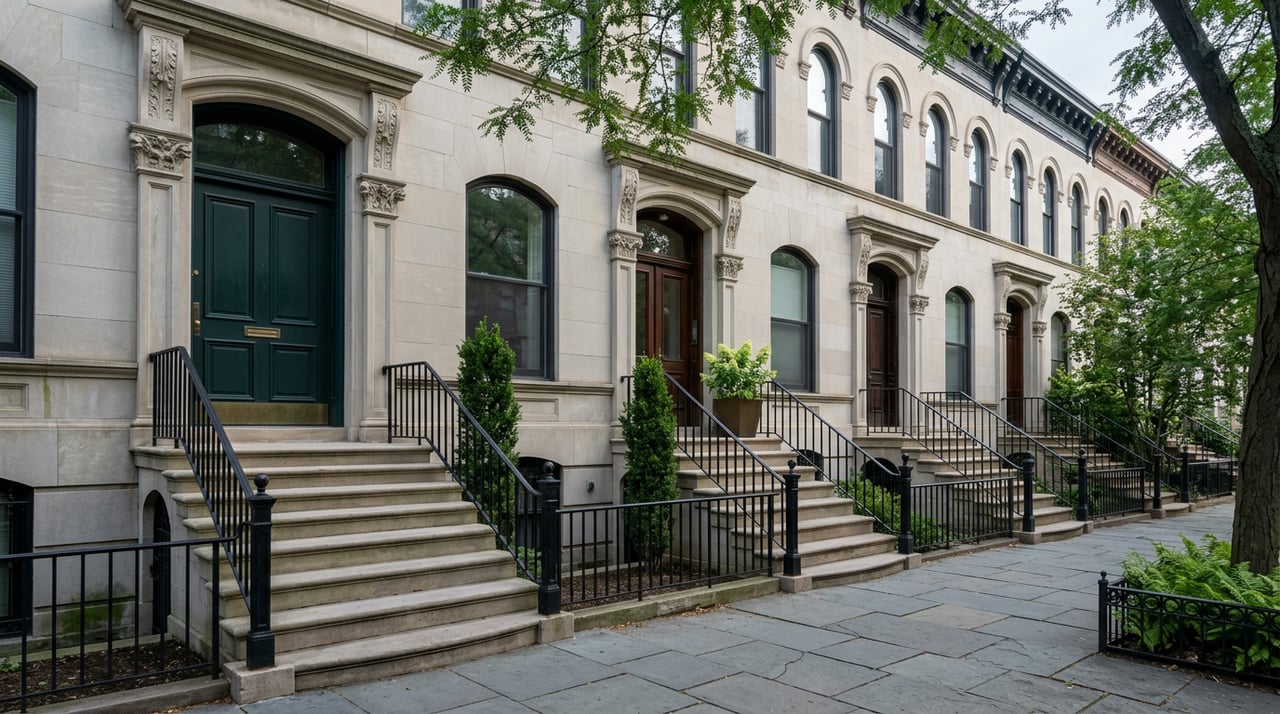
That does not mean older properties cannot command strong prices. In Chelsea, historic context, architectural character, and preserved streetscape can also matter, especially where buyers are specifically looking for loft-style character or a distinct building feel.
Chelsea micro-markets shape value
High Line adjacency matters
Chelsea is not one single pricing environment. The area around the High Line, West Chelsea’s gallery district, the Hudson Yards edge, and classic interior Chelsea blocks can each pull in different buyers and pricing expectations.
One study found that the High Line’s introduction raised adjacent housing values by 35%. In practical terms, that helps explain why direct or near-direct High Line exposure can support a premium compared with otherwise similar condos a few blocks away.
Amenities create pricing tiers
In Chelsea, value often comes from a bundle of features rather than one standout detail. Terrace space, corner exposure, concierge or full-service staffing, lobby quality, and a building’s overall presentation can all affect how buyers place your condo within the market.
That is why two units with similar square footage can land in very different pricing bands. Buyers are often paying for the full package, not just the floor plan.
Historic versus modern is not simple
It is tempting to think newer always wins or prewar always wins. The reality is more nuanced. A New York City study on historic districts found that properties in historic districts sold for about 20% more on average than comparable properties outside those areas and nearby buffer zones.
For sellers, the takeaway is simple. Age alone does not determine value. What matters is how buyers perceive the building’s quality, context, and overall product compared with competing listings.
Pricing for buyer psychology
Watch key price thresholds
In New York, buyer-paid mansion tax applies to residential transfers of $1 million or more. That does not set your list price for you, but it can influence how buyers think and where they feel friction.
For example, a condo priced just over a threshold may invite a different response than one priced strategically below or confidently above it. This is one reason pricing is both math and psychology.
Build in realistic negotiation room
Chelsea’s current pace suggests that pricing discipline matters. Redfin shows about 76 days on market for Chelsea condos, while Realtor.com shows 55 days on market, a 99% sale-to-list ratio, and average sales about 1.48% below asking.
The exact figures differ by platform, but the message is consistent. This is not a market where every condo disappears instantly at any price. Buyers are selective, and overpricing can cost you time and leverage.
Net proceeds matter as much as list price
A headline number is only part of the picture. New York City’s Real Property Transfer Tax is 1.425% for many sales above $500,000, and New York State imposes a 0.4% transfer tax on consideration above $500.
Those costs do not mean you should simply add more to the list price. They do mean you should know your likely net proceeds before deciding how much negotiation room you are comfortable giving a buyer.
Timing still plays a role
National 2026 research from Realtor.com identified April 12 through 18 as the best week to list based on views and speed of sale. That does not override building-specific demand in Chelsea, but it does support the idea of preparing early for the spring market.
If you wait until inventory builds and competing listings start stacking up, your pricing may need to work harder. In many cases, the best move is to be fully ready before the busiest wave hits.
What sellers should do before listing
If you are getting ready to sell a Chelsea condo, focus on a pricing plan that reflects your exact product and your likely buyer pool. A good strategy usually includes:
- Recent closed sales in your building, if available
- Nearby comparable sales with similar size, layout, and finish level
- Adjustments for floor, light, and view
- A realistic read on building amenities and monthly carrying costs
- Awareness of buyer psychology around price thresholds
- A clear estimate of your expected net proceeds
This is where hands-on market knowledge can make a real difference. In a neighborhood as layered as Chelsea, strong pricing is not about chasing the highest number. It is about choosing the number that gives you the best chance of attracting the right buyers and protecting your outcome.
The bottom line on Chelsea condo pricing
The right price for a Chelsea condo is rarely pulled from one headline statistic. It comes from recent comps, then gets refined by building type, floor and view, condition, amenity package, and where the property sits within Chelsea’s distinct micro-markets.
If you are thinking about selling, a careful pricing strategy can help you avoid sitting too long, chasing the market down, or leaving money on the table. That is where local judgment, detailed analysis, and strong process management matter most.
If you want a data-driven pricing strategy for your Chelsea condo, Alex Fincham can help you evaluate comps, buyer positioning, and your likely net so you can list with clarity.
FAQs
How should you price a condo in Chelsea today?
- Start with recent closed sales in the same building if possible, then compare similar nearby condos by size, layout, condition, floor, and amenities rather than relying on a neighborhood-wide median.
What is the average condo price in Chelsea right now?
- Current sources show different numbers, including a $1.75 million median listing price on Redfin, a $1,949,500 median listing price and $1,520,000 median sold price on Realtor.com, and a $2.9 million median sale price on PropertyShark, which highlights how much the result depends on the data set.
Do higher floors increase Chelsea condo value?
- They often can, especially when they improve light and views, and a New York City planning study used a valuation assumption of about 1% per floor plus a one-time 10% premium for stronger view advantages.
Does being near the High Line affect Chelsea condo pricing?
- It can, since a study found the High Line raised adjacent housing values by 35%, helping explain why nearby condos may command a premium over similar units farther away.
Should you price a Chelsea condo above negotiation room?
- In today’s market, that can backfire because current data points to meaningful days on market and average sales slightly below asking, so disciplined pricing is usually more effective than testing an aggressive number.
What closing costs should Chelsea condo sellers keep in mind?
- Sellers should account for New York City Real Property Transfer Tax of 1.425% for many sales above $500,000 and New York State transfer tax of 0.4%, since those costs affect net proceeds and negotiating flexibility.