Thinking about buying a Clinton Hill townhouse and letting part of it help pay the mortgage? It is a smart idea in the right building, but in Brooklyn, the difference between a strong house hack and a painful surprise often comes down to legal use, layout, and realistic rent numbers. If you understand those pieces before you buy, you can evaluate opportunities with much more confidence. Let’s dive in.
Why Clinton Hill Fits House Hacking
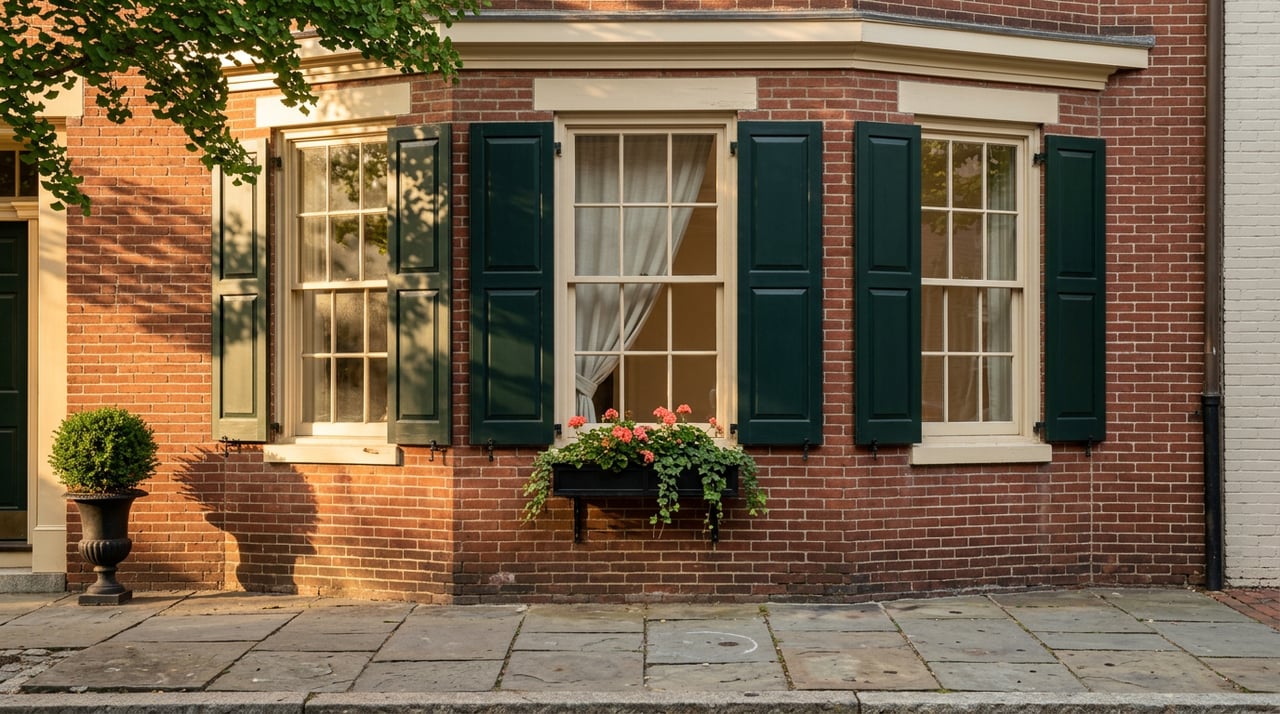
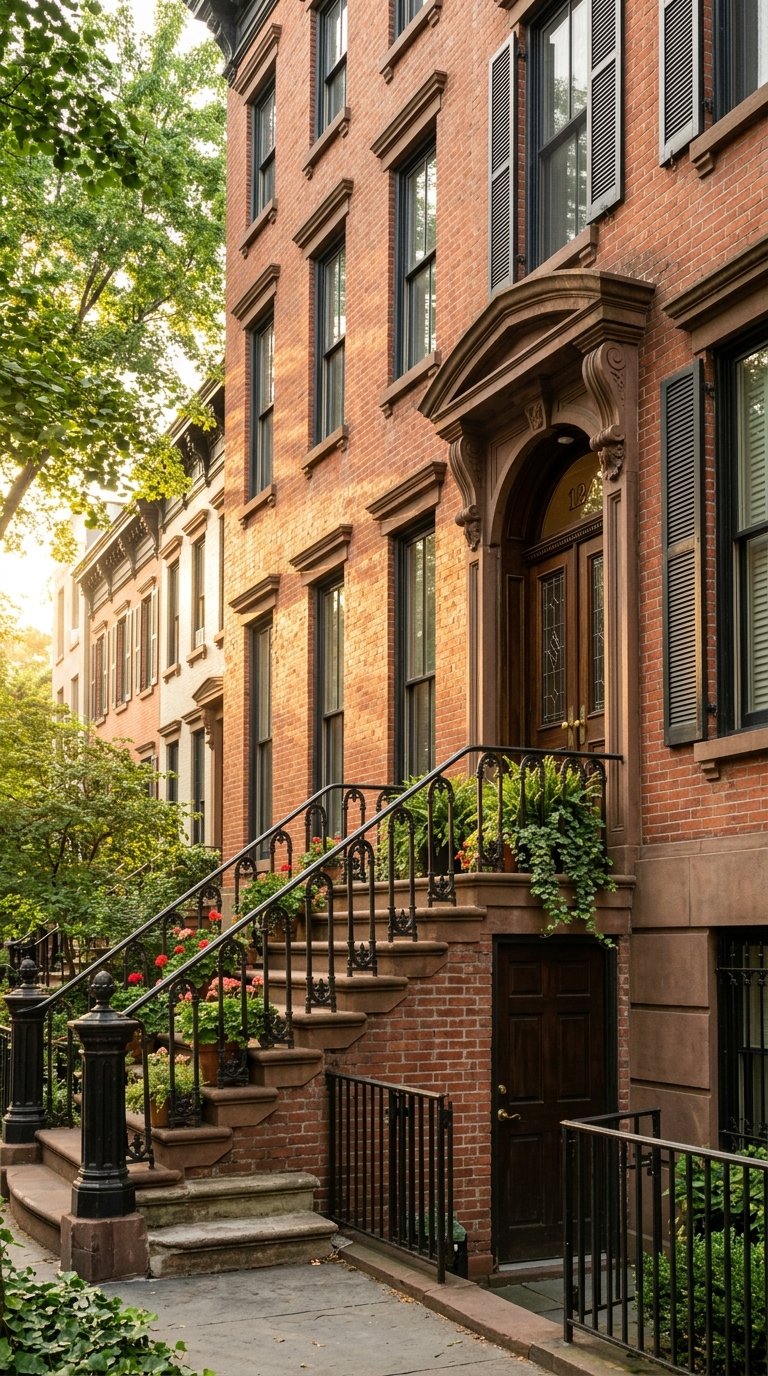
Clinton Hill has the kind of building stock that makes house hacking possible. The neighborhood includes brownstone rowhouses, one- and two-family homes, mansions, and multifamily apartment buildings, with many residential buildings ranging from three to five stories.
For many buyers, that creates a practical path: live in one legal unit and rent out the others. In a townhouse, that could mean an owner’s duplex with a separate rental apartment, or a small multifamily where you occupy one unit and lease the rest.
The key word is legal. In Clinton Hill, the best house-hack candidates are usually 2- to 4-unit properties with a clearly documented unit count, not buildings that were informally split over time.
Start With Legal Use
Before you get excited about finishes, yard space, or projected rent, confirm how the building can legally be occupied. In New York City, a property must have a Certificate of Occupancy or Temporary Certificate of Occupancy if one is required, and some older buildings may instead rely on a Letter of No Objection to confirm legal use.
That matters because a townhouse may look like it has multiple rentable levels, but appearance alone does not make those spaces lawful apartments. If the legal use does not support your plan, the numbers on paper can fall apart fast.
What to verify first
When you are evaluating a Clinton Hill townhouse for house hacking, start with these items:
- The lawful unit count
- The Certificate of Occupancy, if applicable
- A Letter of No Objection for certain pre-1938 buildings, if applicable
- Whether any current living space was created without approval
- Whether the current setup matches the building records
NYC DOB defines illegal conversions broadly, including new living space created without prior approval. That can include issues like unauthorized rooming arrangements or cellar bedrooms.
Why Layout Matters More Than the Idea
A lot of buyers fall in love with the concept of house hacking before they study the actual floor plan. In practice, the layout often determines whether the property will be comfortable for you and workable as an income-producing home.
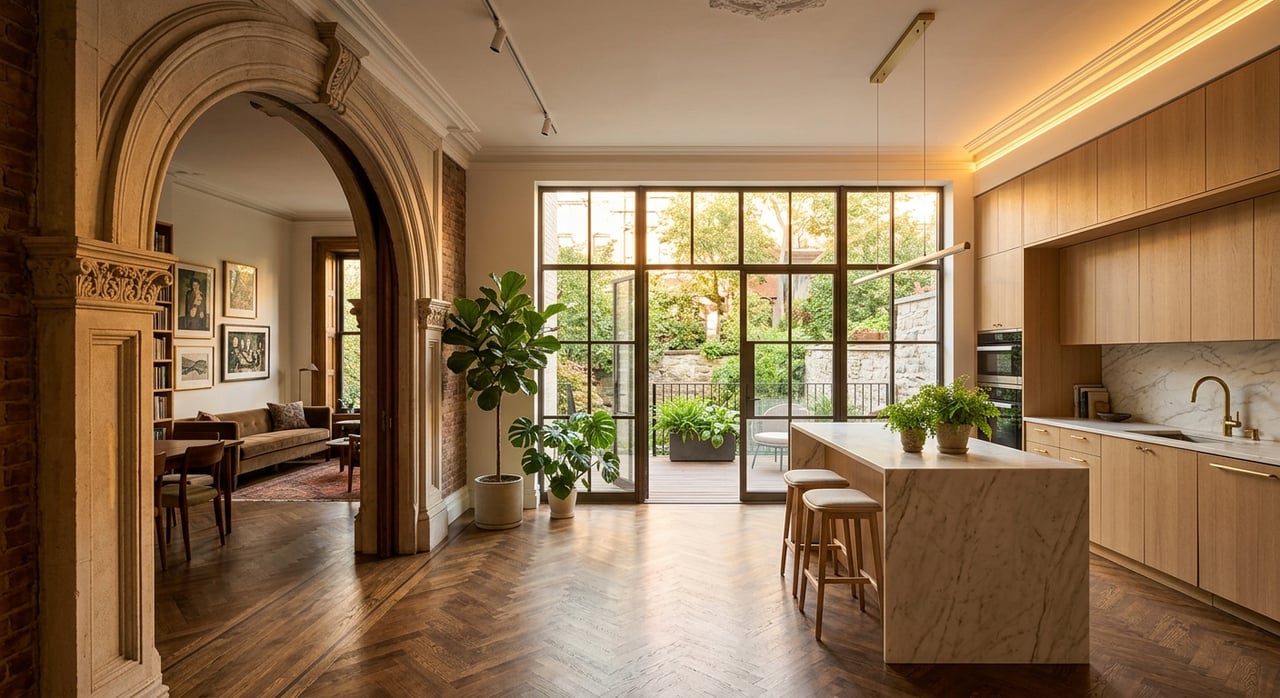
A clean setup usually means you have clear separation between your space and the rental space. That can look like a duplex for the owner with a separate floor-through apartment, or a small apartment house where one legal unit is reserved for you.
If the building’s configuration is awkward, privacy and leasing appeal can suffer. If the layout is straightforward and supported by the legal use, the same townhouse can be much easier to finance, renovate, and manage.
Underwriting Rent in Clinton Hill
Clinton Hill supports a wide range of rents, which is good news for buyers, but it also means you need to be careful with assumptions. One headline number for the neighborhood is not enough to underwrite a townhouse accurately.
Recent area snapshots showed a median asking rent around $4,800, while active examples ranged roughly from $3,086 to $6,500. Apartments.com also reported average rents around $2,770 for a studio, $3,363 for a one-bedroom, $4,584 for a two-bedroom, and $4,585 for a three-bedroom.
Those figures are useful for context, but they are not directly interchangeable. Median asking rent and average apartment rent measure different things, so your analysis should be based on the specific unit type, finish level, floor plan, and legal configuration of the townhouse you are buying.
Use the right rent comp set
For a Clinton Hill townhouse, strong rent comps should reflect:
- Similar legal unit type
- Similar bedroom count and layout
- Similar renovation level
- Similar building style and condition
- Similar floor position and access
That is especially important in a neighborhood where one rental unit might be a basic walk-up apartment and another might be a highly finished owner-grade floor-through. Both are in Clinton Hill, but they do not support the same rent.
The Rent-Versus-Carrying-Cost Test
House hacking only works if the income meaningfully offsets your monthly carrying costs. Clinton Hill’s median asking price snapshot of about $996,948 is a reminder that this is not just a neighborhood lifestyle decision. It is a numbers decision.
In other words, the question is not simply, “Can I rent part of this townhouse?” The better question is, “Can I rent the legal unit at a level that supports this purchase price, financing structure, and monthly payment?”
If the answer is yes, house hacking can improve affordability and give you more flexibility. If the answer is no, you may still love the property, but it is not really functioning as a strong house-hack purchase.
How Lenders May View Rental Income
For 2- to 4-unit properties, rental income can play an important role in financing. Fannie Mae requires an income approach in valuing these properties because part of their market value is tied to the rent they can earn.
When current leases or market rents are used, lenders may count 75% of gross monthly rent to account for vacancy and maintenance. In simple terms, a projected $4,800 monthly rent may be treated more like $3,600 for qualifying purposes.
A projected rent of $4,584 may be treated closer to $3,438. That gap is important because buyers often overestimate how much rental income will help on paper.
Financing paths to know
Owner-occupant financing can apply to small multifamily purchases. Based on the research provided:
- Freddie Mac offers mortgages for 2- to 4-unit owner-occupied primary residences
- FHA allows down payments as low as 3.5% on 1- to 4-unit properties
- Final requirements still depend on the loan program and lender overlays
That means a Clinton Hill townhouse with a legal 2- to 4-unit setup may be financeable with owner-occupant structures, which can be a big advantage for buyers trying to enter the market.
Landmark Rules Can Affect Your Plan
In Clinton Hill, exterior work is not always a simple contractor decision. Much of the neighborhood falls within historic-district territory, and that can add another review layer if you plan to alter the exterior.
According to LPC, most exterior changes in historic districts require review. Even where DOB self-certification might otherwise be possible, you may still need landmark approval.
Exterior changes that may matter
If your house-hack plan depends on changing the building’s exterior, pay close attention to items like:
- Entrances
- Rear façades
- Windows
- Stoops
- Other visible exterior features
For buyers, this is not just about design preference. It can affect timing, cost, and whether your improvement plan is realistic at all.
Watch for Rent Stabilization Issues
If you are looking at something larger than a typical small townhouse setup, another issue can come into play. In New York City, rent stabilization generally applies to certain buildings with six or more units built during specific periods, along with some other qualifying cases.
For owner-residents in a rent-stabilized building, the Rent Guidelines Board states that only one rent-regulated unit may be occupied by the owner for themselves or family members. That makes the legal and regulatory review even more important when a property is beyond the classic 2- to 4-unit house-hack range.
For many buyers focused on Clinton Hill townhouses, this is one more reason to prioritize smaller properties with clear records. A cleaner setup often means fewer surprises after contract.
A Smart Due Diligence Checklist
Before you treat any Clinton Hill townhouse as a house-hacking opportunity, run through the core legal and financial checks. This step can save you from buying into a correction project instead of a clean income-producing home.
Your Clinton Hill checklist
- Verify the lawful unit count
- Review the Certificate of Occupancy, if applicable
- Confirm whether a Letter of No Objection applies for an older building
- Check whether any unit is rent stabilized
- Confirm whether planned work would trigger LPC review
- Compare projected rent to unit-specific comps, not neighborhood averages alone
- Test the deal using realistic lender treatment of rental income
These checks are the main filters that separate a promising townhouse from one that looks better on a listing sheet than it performs in real life.
What a Good House Hack Looks Like
In Clinton Hill, a good house hack is usually not the flashiest property. It is the one where the legal setup, layout, rent support, and financing all line up.
That may mean choosing a townhouse with a less dramatic renovation but cleaner documentation. It may also mean passing on a beautiful property if the unit count is unclear, the rent assumptions are too aggressive, or the renovation plan depends on approvals that could be slow or costly.
If you stay disciplined, house hacking can be a practical way to buy into Clinton Hill while creating income from day one. The opportunity is real, but so is the need for careful underwriting and building-level due diligence.
If you are weighing a Clinton Hill townhouse and want a grounded read on layout, rent potential, and the real-world tradeoffs, Alex Fincham can help you evaluate the opportunity with a buyer-first, detail-oriented approach.
FAQs
What does house hacking a Clinton Hill townhouse mean?
- It usually means you live in one legal unit of the townhouse and rent out one or more other legal units to help offset your monthly housing costs.
What should I check first before buying a Clinton Hill townhouse to house hack?
- Start by verifying the lawful unit count, the Certificate of Occupancy or Letter of No Objection if applicable, and whether the current layout matches the legal records.
Can rental income help me qualify for a Clinton Hill townhouse mortgage?
- Yes, for some 2- to 4-unit owner-occupied properties, lenders may consider rental income, but they may use only 75% of gross monthly rent when qualifying.
Are all Clinton Hill townhouse apartments legal to rent?
- No. A space may look rentable but still be an illegal conversion if it was created without approval or does not match the building’s legal use.
Do landmark rules matter when renovating a Clinton Hill townhouse?
- Yes. Because much of Clinton Hill is in historic-district territory, many exterior changes may require LPC review and approval.
Should I use neighborhood average rent numbers for a Clinton Hill house-hack analysis?
- No. Area rent numbers are only a starting point, and the better approach is to underwrite using comparable units with similar layout, finish level, and legal configuration.