If you are drawn to Clinton Hill, you have probably already felt the pull of its housing choices. One block may be lined with classic brownstones and stoops, while the next offers a more apartment-style experience in a condo building. If you are trying to decide which ownership path fits your life, budget, and comfort level, this guide will help you compare the tradeoffs clearly. Let’s dive in.
Why this choice matters in Clinton Hill
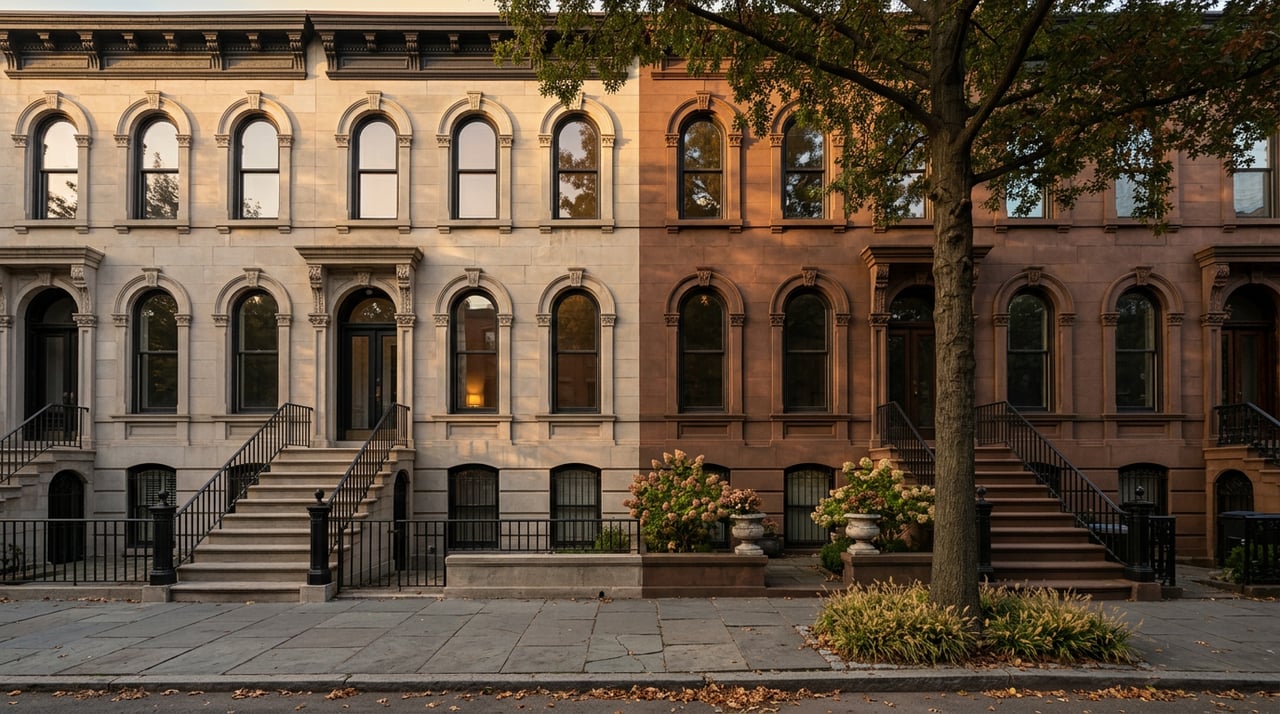
Clinton Hill is not a one-format neighborhood. According to New York City planning materials, its residential core is known for three- to five-story brownstone row houses, but it also includes one- and two-family homes, multi-family apartment buildings, and mid-rise apartment buildings.
That mix is a big reason buyers can feel torn here. You are not just choosing between two property types in theory. You are choosing between two very different ownership experiences in a neighborhood where both can make sense, depending on how you want to live.
The historic setting also shapes the decision. Much of the residential core sits within the Fort Greene and Clinton Hill Historic Districts, which can affect what owners can change on certain buildings, especially exteriors.
What owning a brownstone means
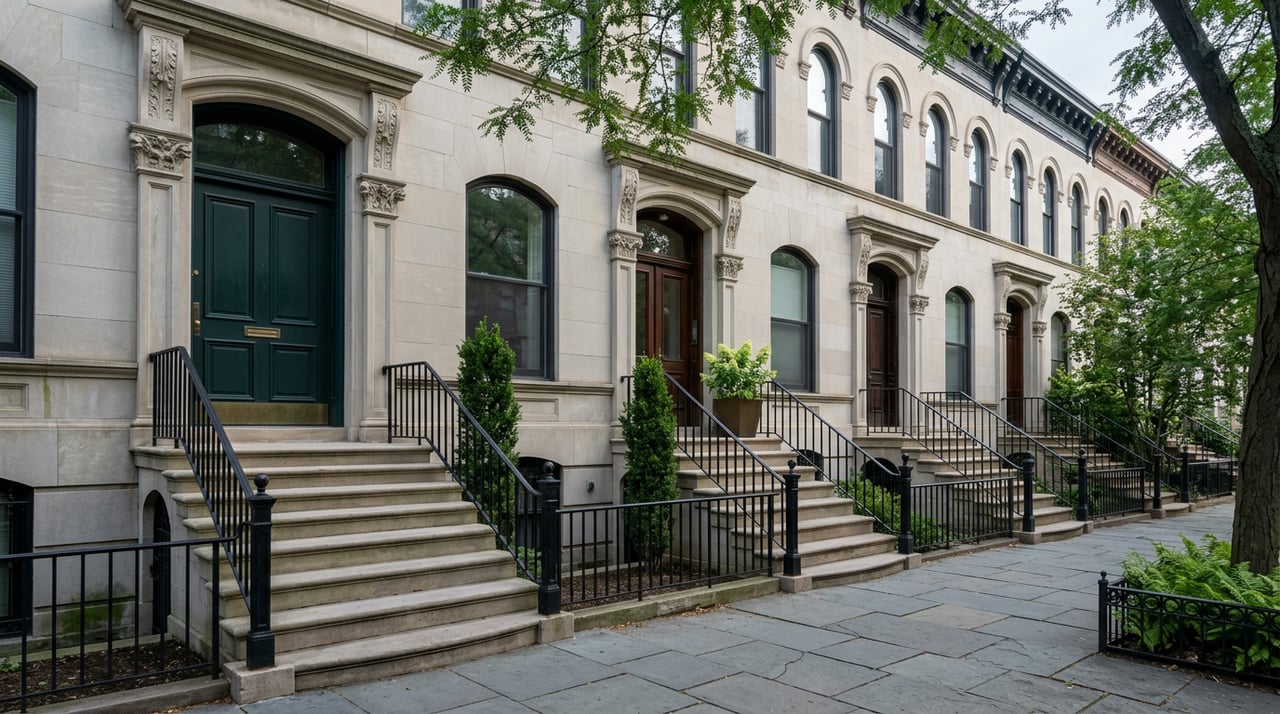
A Clinton Hill brownstone often offers the classic townhouse feel many buyers picture when they think of brownstone Brooklyn. In practical terms, that usually means a narrow, vertical home spread across three to five stories, often with a stoop, basement level, and parlor floor.
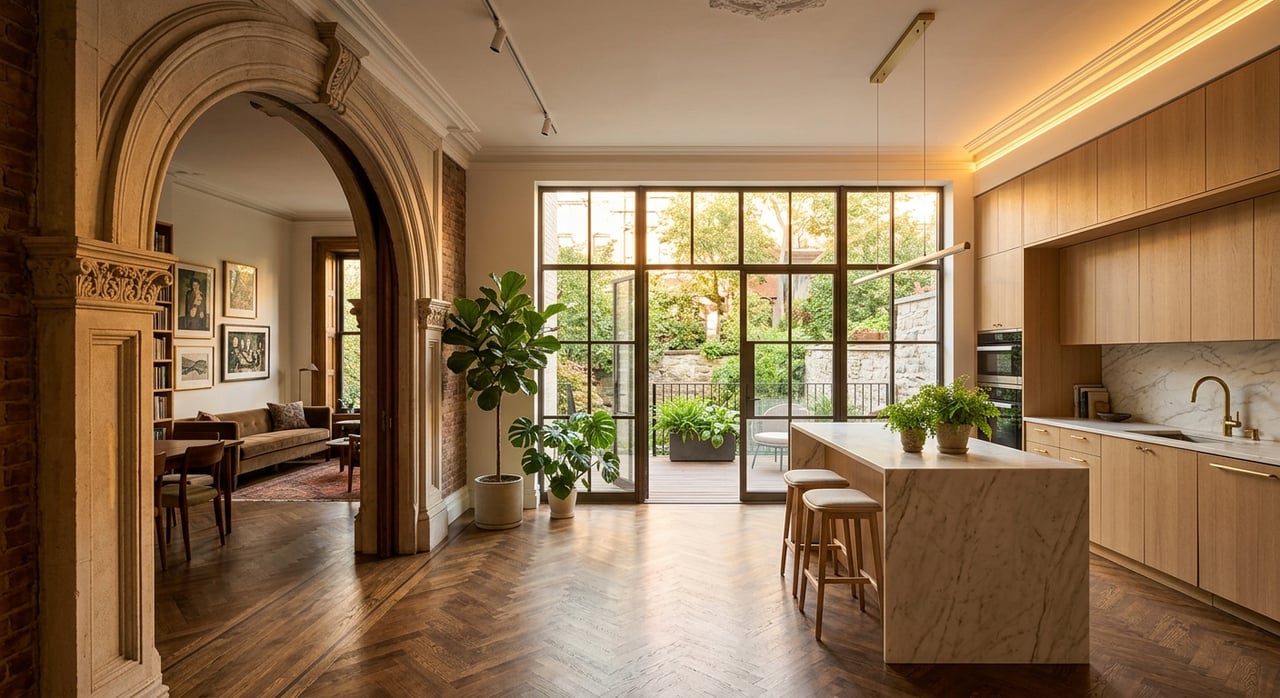
That layout can feel charming and distinctive, but it also changes how you use the home every day. Instead of condo-style living on one level, brownstone living is often more room-by-room and floor-by-floor.
More control over your space
One of the biggest reasons buyers choose a brownstone is control. You are generally not sharing decision-making in the same way you would in a condo building, and that can be appealing if you want more say over how the property is maintained and used.
That said, control does not mean unlimited freedom. In Clinton Hill’s historic districts, the Landmarks Preservation Commission says many exterior changes, including most work on front and rear facades, require review and approval before work begins.
More direct maintenance responsibility
A brownstone usually comes with a more hands-on ownership role. New York City HPD says property owners are responsible for keeping common areas and apartment units safe and well maintained, and LPC says landmark owners must keep their buildings in good repair.
For you, that can mean taking a more active role in repairs, upkeep, and project planning. If the roof needs work, the facade needs attention, or building systems need updating, those issues are more likely to land directly on your plate.
Outdoor space potential
Brownstones may offer features that many condo buyers want but do not always find, such as a stoop, areaway, or rear yard. Some properties may also have potential for additions or accessory dwelling units, but those possibilities are regulated.
LPC notes that exterior changes in historic districts often require review, and its ADU program says owner-occupied one- or two-family homes in historic districts may be eligible for ADUs such as backyard cottages, attic or basement apartments, garage conversions, or attached additions. The key point is simple: potential is valuable, but you need to verify what is legally and practically possible for that specific property.
Flexibility depends on legal use
Many buyers assume a townhouse automatically gives them more flexibility over time. Sometimes that is true, but only when the building’s legal setup supports your plans.
HPD says owners may rent only legal residential space as defined by the certificate of occupancy. So if you are thinking about future rental use, reconfiguration, or value-add possibilities, the legal status matters just as much as the layout.
What owning a condo means
A condo offers a different kind of ownership experience. In New York, a condo owner owns an individual unit plus an undivided interest in the building’s common elements.
That structure often appeals to buyers who want a more predictable day-to-day routine. You still own real property, but many responsibilities tied to the building are shared through the condo’s governing system.
Less exterior responsibility
For many buyers, the biggest condo advantage is convenience. Instead of personally managing every exterior issue or major building system concern, you typically contribute through monthly common charges and, when necessary, assessments.
This can make ownership feel more manageable, especially if you travel often, are buying from out of town, or simply do not want the full upkeep burden of a townhouse. The tradeoff is that you are paying into a shared structure rather than making every decision on your own.
Shared rules and governance
A condo is not maintenance-free. It is governance-based.
The New York Attorney General says condo boards must follow the building’s by-laws, declaration, and house rules. Those documents spell out repair obligations, use restrictions, and procedures for changes, which means your ownership experience depends heavily on the building’s documents and management approach.
Common charges and assessments are part of the picture
With a condo, your budget includes more than just your mortgage and taxes. Monthly common charges and possible assessments are part of the ownership math.
That structure can create more predictability than owning a brownstone, but it is important to understand that these charges are enforceable. New York courts have enforced common charges, and dissatisfaction with maintenance or services is generally not a reason to withhold payment.
Layout and outdoor space vary by building
Condo living in Clinton Hill is less predictable in layout than brownstone living. The unit boundaries and common elements are defined by condo documents, so privacy, storage, and outdoor access can vary widely from one building to another.
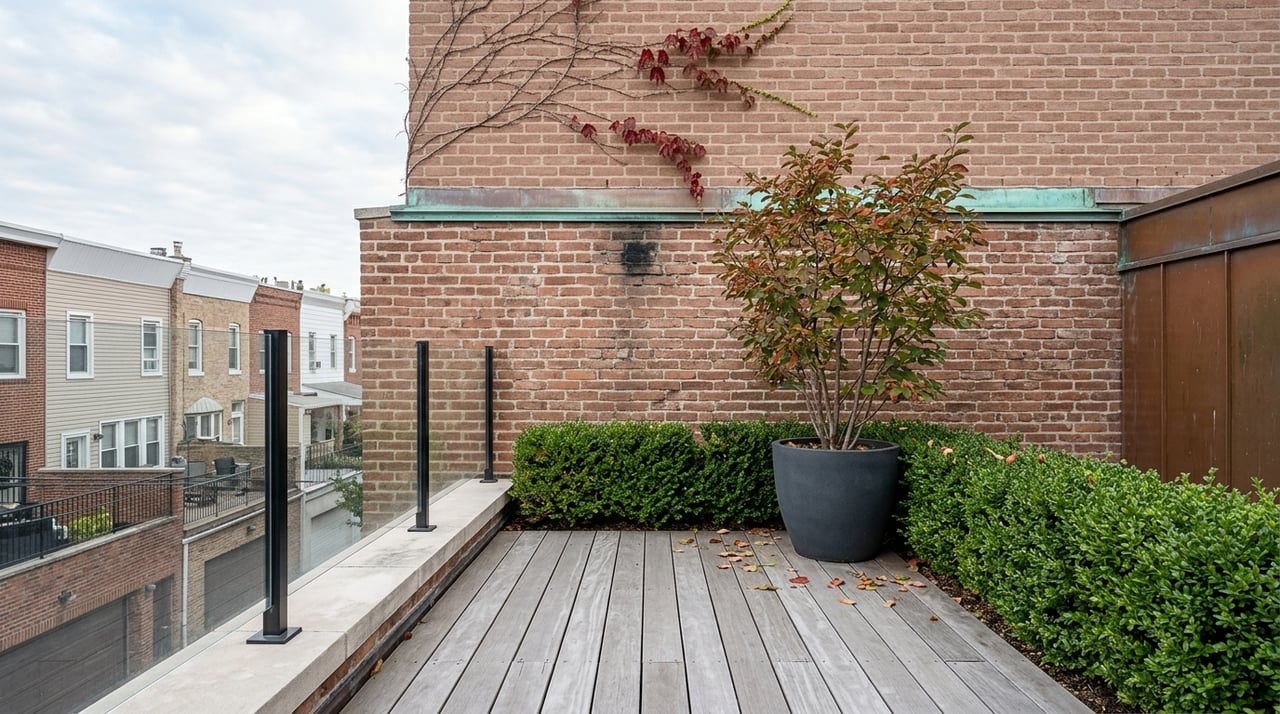
That means one condo may feel very private and self-contained, while another may involve more shared spaces and more building rules. If outdoor space matters to you, it is especially important to confirm whether it is private, limited-use, or shared.
Brownstone vs condo in Clinton Hill
The simplest way to frame the choice is this: a brownstone usually suits buyers who want more architectural character, more control, and are comfortable taking on upkeep and approvals. A condo usually suits buyers who want a more predictable, lower-maintenance ownership experience with shared building operations.
In Clinton Hill, that tradeoff matters even more because the neighborhood includes both historic townhouse blocks and more apartment-oriented corridors. Your best fit often comes down to how much maintenance, customization, and shared decision-making you want over time.
| Factor | Brownstone | Condo |
|---|---|---|
| Ownership feel | More independent | More shared |
| Layout | Usually vertical, multi-floor | Usually single-level or building-specific |
| Maintenance | More direct owner responsibility | Shared through building operations |
| Exterior changes | Often subject to landmark review | Usually subject to condo rules and building process |
| Budget structure | More repair costs handled directly | Monthly common charges and possible assessments |
| Outdoor space | May include stoop, yard, or areaway | Varies by unit and condo documents |
Questions to ask before you decide
Your decision should go beyond style. In Clinton Hill, the block, the building documents, and the legal setup matter just as much as the facade.
Here are a few practical questions to ask yourself:
- Do you want to manage repairs directly, or would you rather share that responsibility?
- Are you comfortable navigating permits and approvals for exterior work if needed?
- Do you want a home with a more vertical townhouse layout, or do you prefer a more typical apartment layout?
- How important is private outdoor space to your daily life?
- Would monthly common charges feel easier to plan for than handling building expenses yourself?
- Are you considering future rental or renovation plans that depend on legal use and building rules?
How to make the right call
There is no one-size-fits-all answer in Clinton Hill. The better choice is the one that fits how you actually want to own, maintain, and use your home over the next several years.
If you love historic character and want more direct control, a brownstone may be the better fit. If you want simpler day-to-day ownership and are comfortable with shared governance, a condo may make more sense.
The smartest approach is to compare not just the look of the property, but also the documents, maintenance obligations, legal configuration, and renovation history. That is where a clear, local read on the property can save you time and help you avoid expensive surprises.
If you are weighing a Clinton Hill brownstone against a condo and want a practical, no-pressure second opinion, Alex Fincham can help you evaluate the tradeoffs and find the right fit for how you want to live.
FAQs
What is the main difference between a Clinton Hill brownstone and condo?
- A brownstone usually offers more control and direct maintenance responsibility, while a condo usually offers a more shared, lower-maintenance ownership structure.
Do Clinton Hill brownstones have landmark restrictions?
- Many do within the historic districts, and LPC says many exterior changes, including most work on front and rear facades, require review and approval.
Are condos in Clinton Hill easier to maintain than brownstones?
- They often are on a day-to-day basis because building operations are shared, but you still need to follow condo rules and pay common charges and any required assessments.
Can you add rental space to a Clinton Hill brownstone?
- It depends on the property’s legal configuration, certificate of occupancy, and any applicable landmark or other regulatory requirements.
Is outdoor space more common in a Clinton Hill brownstone or condo?
- Brownstones are more likely to include features like stoops, areaways, or rear yards, while condo outdoor space depends on the specific unit and building documents.