If you want a Manhattan home base without committing to full-time city living, Gramercy is easy to understand and harder to buy well. Its appeal comes from exactly what many second-home buyers want: a quieter residential feel, historic character, and a central location in Manhattan. But when you are buying a pied-à-terre here, the real challenge is usually not finding the neighborhood. It is finding the right building, understanding the rules, and pricing the ongoing costs correctly. Let’s dive in.
Why Gramercy fits a pied-à-terre
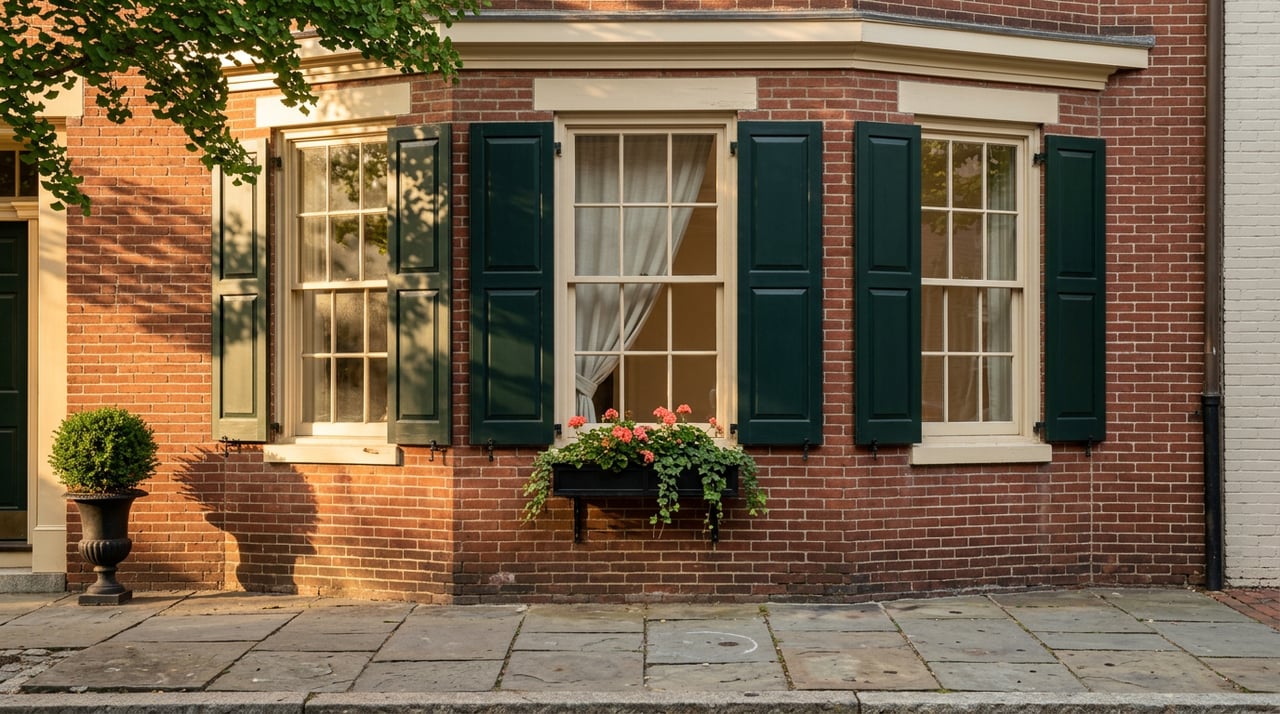
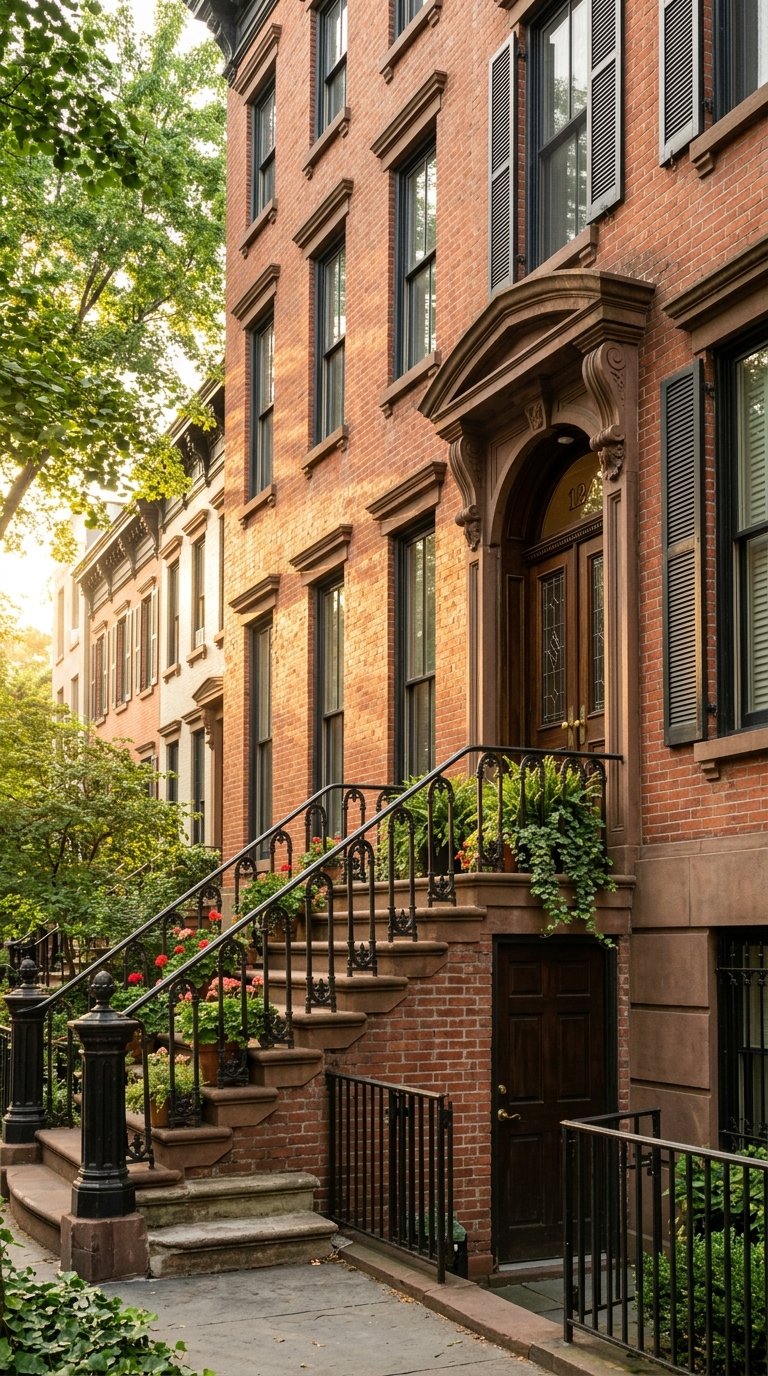
Gramercy is a small historic residential area centered on Gramercy Park, and the Landmarks Preservation Commission describes it as a private square and residential district with many nineteenth-century structures and apartment houses. In practical terms, that means you are often shopping in older buildings with distinct policies, established boards, and limited inventory rather than a large pipeline of new development.
For many buyers, that is exactly the draw. A Gramercy pied-à-terre can offer a more settled, residential feel than some other Manhattan pockets, with a housing stock shaped by history and building rules instead of high-volume turnover. If you want charm and a true neighborhood atmosphere, Gramercy can check a lot of boxes.
What inventory usually looks like
Housing data for Manhattan Community District 6 show that 68.4% of housing units were built in 1939 or earlier. The same data show that one-bedroom and two-bedroom units make up the largest shares of the housing stock, with 35.1% of units having one bedroom, 37.4% having two bedrooms, and 6.3% having no bedroom.
That matters because your search will likely start with older housing stock and compact layouts. For many pied-à-terre buyers, studios and one-bedrooms are often the most efficient places to begin, especially if your goal is a simple part-time home rather than a full-time residence with extra rooms.
Compact layouts can work well
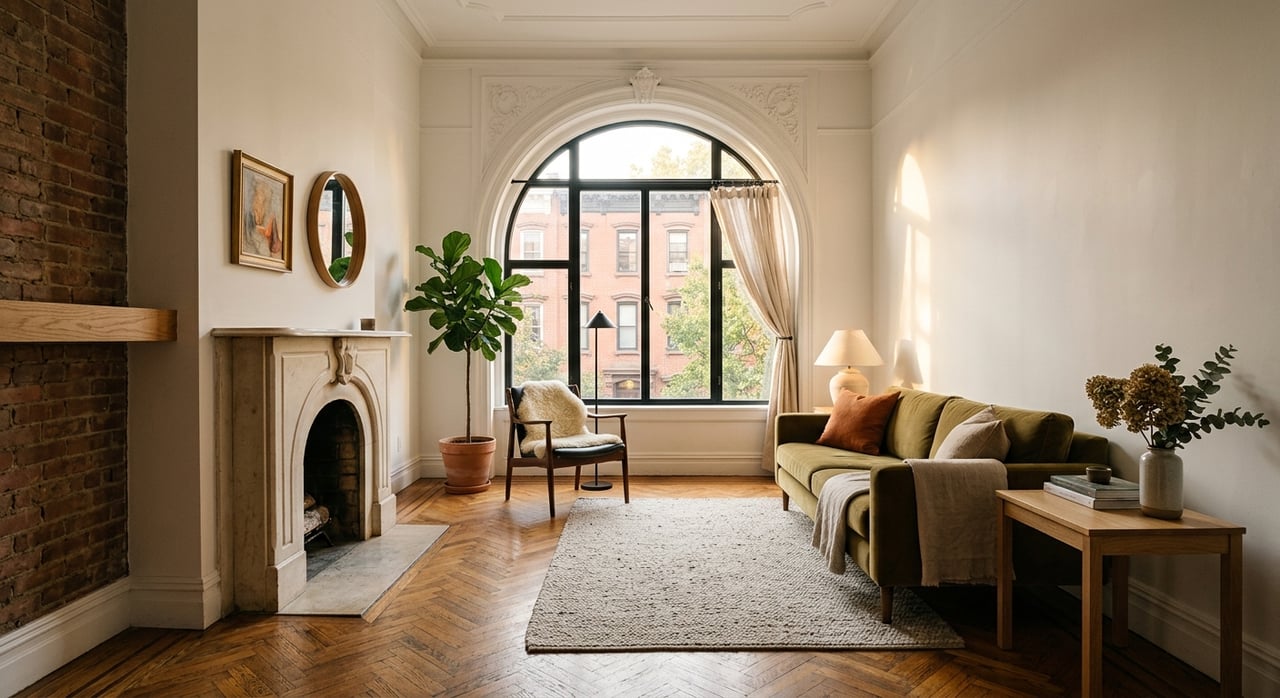
If you plan to use the apartment mainly for weekends, occasional work trips, or short stays, a smaller layout may be enough. A studio or one-bedroom can be easier to maintain, easier to furnish, and more consistent with a lock-and-leave lifestyle.
That said, your actual use pattern should drive the choice. If you need a separate sleeping area for guests, a work nook, or more storage, you may quickly find that a slightly larger layout is worth the tradeoff.
Building rules matter more than the ZIP code
In Gramercy, whether an apartment works as a true pied-à-terre is usually a building-document question, not a neighborhood question. New York co-op buyers purchase shares in a corporation and receive a proprietary lease, while condo buyers own a deeded unit. In both cases, the governing documents and house rules can shape how you use the apartment.
The New York Attorney General’s guidance makes this especially important. Co-op bylaws, proprietary leases, and house rules govern critical terms, including sublet provisions. Condo bylaws, declarations, and house rules also control use restrictions and sublet provisions, though condo ownership generally comes with fewer sublet restrictions.
Co-op vs. condo for part-time use
For a part-time buyer, the broad difference is simple. A condo may offer more flexibility, while a co-op may involve more layers of review and more specific usage expectations.
That does not mean one is always better. Some buyers prefer co-ops because of price point, building character, or monthly economics. Others focus on condos because they want fewer limitations if their future plans change.
Questions to confirm early
Before you get too far into a deal, you should confirm how the building handles:
- Occasional or part-time occupancy
- Extended vacancy
- Future rental or sublet plans
- House rules that affect day-to-day use
- Any approval process tied to ownership or occupancy changes
The key point is that you want these answers grounded in the building documents, not assumptions. In Gramercy, two buildings on nearby blocks can operate very differently.
Review the building, not just the apartment
A beautiful apartment can still come with expensive building issues. The Attorney General advises buyers in existing buildings to read board minutes and financial reports carefully because they can reveal defects and major repair work involving facades, roofs, elevators, plumbing, electrical systems, and boilers.
For a pied-à-terre buyer, this matters because you may not be in the apartment often enough to spot building-wide issues in real time. Deferred maintenance can show up later as assessments or higher monthly charges, which can change the long-term cost of ownership.
Documents worth reviewing
As part of your due diligence, you should plan to review:
- The offering plan
- Proprietary lease or condo declaration
- Bylaws and house rules
- Board meeting minutes
- Financial reports
- Any noted violations
This is one area where careful process management really pays off. A second home should feel convenient, and that starts with understanding the building before you close.
Know the monthly and closing costs
When you buy a pied-à-terre in Gramercy, the purchase price is only one part of the math. Your ownership type affects what you pay each month and how certain costs are structured.
For a co-op, monthly maintenance is tied to the shares allocated to the apartment, and New York City says co-op unit owners do not pay property tax directly because it is included in rent or common charges. For a condo, owners receive a property tax bill from the Department of Finance, and class 2 property taxes are calculated using assessed value and the city’s class 2 rate.
Closing costs to plan for
Depending on the transaction, buyers may need to account for:
- New York State real estate transfer tax on consideration above $500
- New York City real property transfer tax on NYC transfers
- Mansion tax on residential purchases of $1 million or more
- Mortgage recording tax when financing applies
These costs can materially affect your total cash needed to close. If you are comparing several options in Gramercy, it helps to underwrite the full purchase, not just the asking price.
The new pied-à-terre tax changes the math
As of July 6, 2026, New York has enacted a surcharge on certain non-primary residences, commonly called the pied-à-terre tax. For co-op and condo units in the first phase, the law uses 4.0%, 5.25%, and 6.5% brackets for phase-one market values of $1 million to $3 million, $3 million to $5 million, and above $5 million, respectively, for fiscal years beginning on or after July 1, 2026.
The act is scheduled to expire on June 30, 2031. Even so, for buyers considering a second home in Gramercy, this is now a core part of the decision-making process.
Why primary residence status matters
You should not assume a true pied-à-terre will qualify for benefits tied to primary residence status. New York City’s condominium abatement materials state that one of the units must be the owner’s primary residence, and the STAR program is limited to owner-occupied primary residences.
The Department of Finance’s 2026 rule proposal for the surcharge also says it may require additional documentation and may audit primary-residence certifications within six years. If your use pattern is seasonal or part-time, documentation and tax review become especially important.
Match the apartment to your use pattern
A smart Gramercy search usually starts with how you plan to live in the apartment. A weekend base, an occasional crash pad, a remote-work setup, and a home you may eventually rent all point toward different priorities.
That is why the most useful early conversation is often not about finishes or square footage. It is about how often you will be there, whether you need flexibility later, and what level of simplicity you want from ownership.
Common pied-à-terre priorities
Depending on your goals, you may care most about:
- Lock-and-leave convenience
- A compact and efficient layout
- Space for a desk or remote work zone
- Room for an occasional guest
- Clear rules around future subletting
- Predictable monthly carrying costs
When those priorities are clear from the start, it becomes much easier to narrow the search and avoid buildings that do not fit your plans.
Why professional review is essential
In a neighborhood like Gramercy, details matter. The Attorney General explicitly recommends reading the offering plan and consulting an attorney before signing a purchase agreement.
For a pied-à-terre purchase, that review should cover the offering plan, proprietary lease or condo declaration, house rules, and the closing structure. A tax adviser should also confirm how the purchase may be treated for primary-residence tests, transfer taxes, and the new surcharge on certain non-primary residences.
The bottom line on buying in Gramercy
Gramercy can be a great fit if you want a comfortable Manhattan base in a historic, more residential setting. Its older housing stock, limited supply, and rule-driven buildings are part of what makes it appealing, but those same factors mean the best purchase is usually the one with the right documents and cost structure, not just the prettiest finishes.
If you are thinking about buying a pied-à-terre in Gramercy, the goal is simple: match your real-life usage pattern to the right building and underwrite the full cost clearly from the start. If you want a practical, detail-oriented approach to that search, Alex Fincham can help you evaluate options and move forward with confidence.
FAQs
What makes Gramercy appealing for a pied-à-terre?
- Gramercy appeals to many part-time buyers because it is a small historic residential area with many older apartment houses, limited supply, and a quieter neighborhood feel.
Are co-ops or condos better for a Gramercy pied-à-terre?
- It depends on your goals, but the main issue is the building’s governing documents, since co-op and condo rules can differ significantly on use, subletting, and occupancy.
What size apartment is common in Gramercy?
- In Manhattan Community District 6, one-bedroom and two-bedroom units make up the largest shares of the housing stock, so compact layouts are a common starting point for pied-à-terre buyers.
What documents should you review before buying a Gramercy second home?
- You should review the offering plan, proprietary lease or condo declaration, bylaws, house rules, board meeting minutes, financial reports, and any violations before closing.
What taxes matter when buying a pied-à-terre in Gramercy?
- Buyers may need to plan for state and city transfer taxes, mansion tax for residential purchases at $1 million or more, mortgage recording tax if financing applies, and the new surcharge on certain non-primary residences.
Should you assume a Gramercy pied-à-terre qualifies for primary-residence tax benefits?
- No, because benefits like the condo property-tax abatement and STAR are tied to primary residence rules, so part-time buyers should confirm eligibility with a tax adviser.