Buying on the Upper West Side can feel exciting right up until you hear two words: co-op board. If you are used to a more typical purchase process, the extra paperwork, financial review, and interview can seem intimidating at first. The good news is that once you understand what boards are looking for, the process becomes much more manageable. Let’s break down the basics so you can move forward with more confidence.
Why Upper West Side co-ops feel different
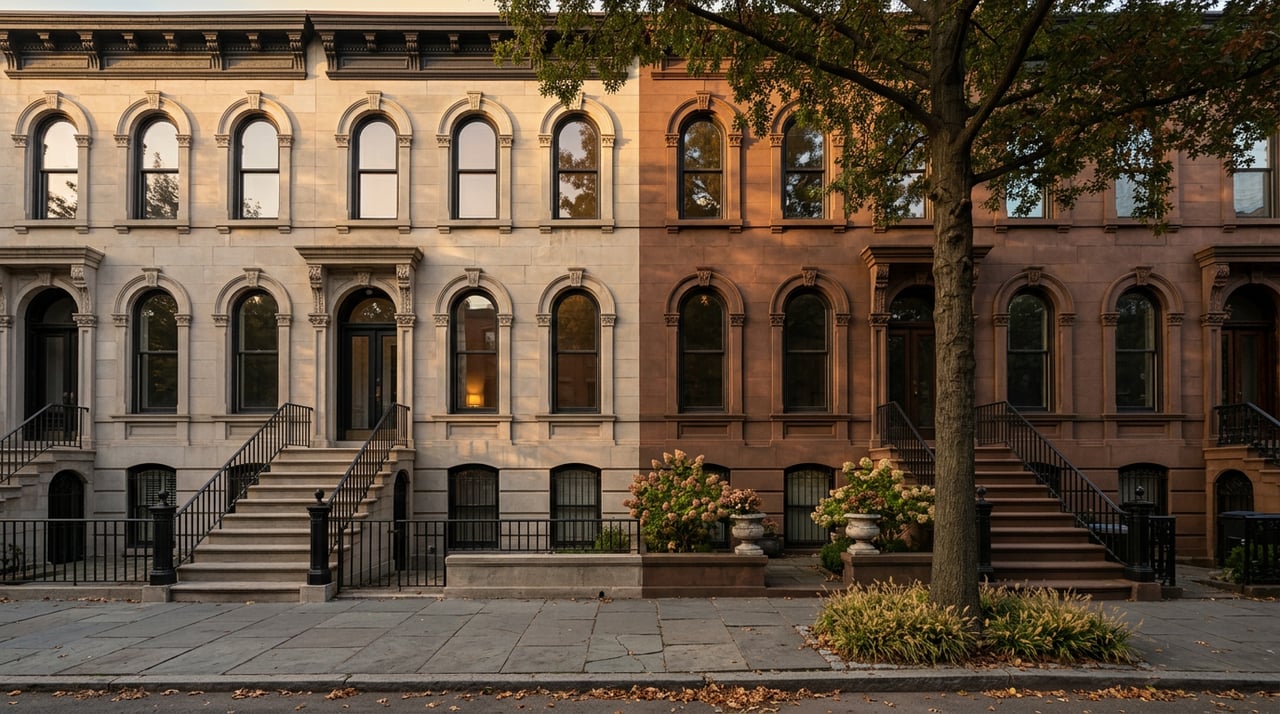
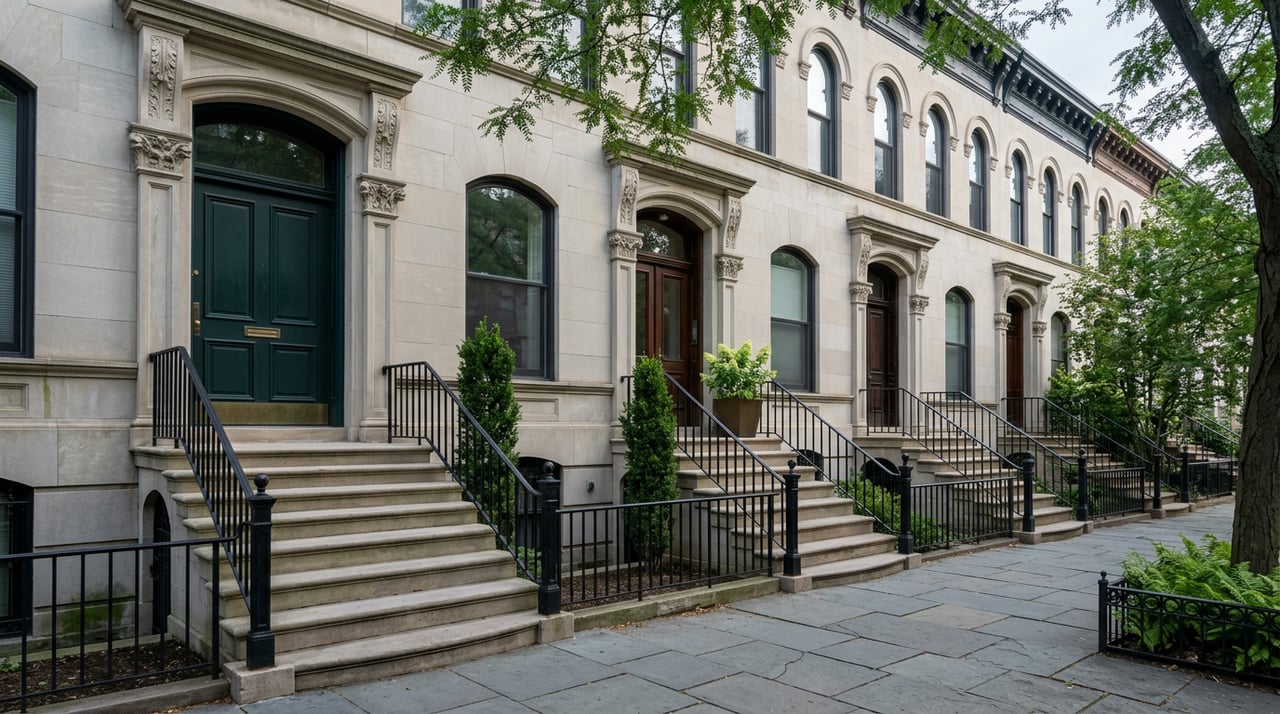
The Upper West Side is known for historic brownstones, iconic prewar buildings, and a housing stock that often feels more established than brand new. That is part of the appeal for many buyers. You may find generous layouts and classic details, but you are also more likely to encounter a building culture with long-standing rules and expectations.
That matters because a co-op purchase is not the same as buying a condo. In a co-op, you are buying shares in a corporation and receiving a proprietary lease rather than a deed to real property. This structure gives the board a much larger role in approving a sale.
Co-op ownership also comes with monthly maintenance rather than a standard condo common charge setup. According to StreetEasy, maintenance can cover property taxes, utilities, staff salaries, any underlying mortgage, and building upkeep. Many co-ops also restrict subletting or pied-a-terre use, so boards are often focused on how a buyer will fit into the building over time, not just whether the price works.
What co-op boards usually care about
Financial strength
For most boards, your finances are the first major filter. StreetEasy reports that many co-ops look for a down payment of 20% to 30%, a debt-to-income ratio below 30%, and substantial funds left after closing. Many also want to see enough post-closing liquidity to cover your mortgage and maintenance for a year.
That said, there is no single citywide rulebook. Co-op requirements vary from building to building, and established Upper West Side buildings can be especially conservative. A buyer who qualifies in one building may not qualify in another with stricter standards.
Stability and consistency
Boards are not just reviewing how much money you have. They are also looking for a clear, consistent financial story. If your income, assets, debts, or supporting documents do not line up neatly, that can slow your file down even if you are otherwise well qualified.
This is where preparation matters. Clean documentation, organized records, and consistent numbers can make a real difference in how smoothly your application moves.
Building finances
Your own finances are only part of the picture. The New York State Attorney General advises buyers to review the building’s offering plan, board minutes, and financial reports. These records can point to bigger issues like facade repairs, roof work, elevator upgrades, plumbing projects, boiler replacement, or electrical work.
For you as a buyer, this review helps answer an important question: are the monthly costs likely to stay relatively stable, or could major building work affect future costs? On the Upper West Side, where many co-ops are older buildings, this is especially important.
What goes into a board package
A co-op board package is often detailed and document-heavy. In New York City, a typical package may include financial statements, tax returns, employment verification, account statements, and reference letters. It is not unusual for the package to feel more like a full underwriting file than a basic application.
StreetEasy’s guidance highlights some of the documents many boards request:
- REBNY financial statement
- Two years of tax returns and W-2s
- Recent bank statements
- Brokerage and retirement statements
- Pay stubs or proof of employment
- Personal and professional reference letters
- A cover letter
- A table of contents with clear labels or tabs
The presentation matters almost as much as the contents. A complete, well-organized package makes it easier for the board to review your file. Missing pages, unexplained deposits, or inconsistent figures can create delays and follow-up questions.
How long the process can take
Timing is one of the biggest stress points for buyers. Historically, the Council of New York Cooperatives and Condominiums has suggested that a board response can take about six weeks from the time a complete package is received. That timeline can vary, but it gives you a reasonable expectation for planning purposes.
There is also a newer New York City law that will affect certain co-ops in 2026. For covered co-ops with 10 or more units, the law requires a standardized application and list of requirements, written acknowledgment within 10 days of receiving a package, and a decision within 45 days of a complete application, with one possible 14-day extension. Smaller co-ops and certain HDFCs are exempt.
For buyers, the takeaway is simple: the clock usually starts when your package is truly complete. Getting organized early can help prevent avoidable delays.
What the board interview is really about
Fit matters
By the time you reach the interview stage, the board has often already reviewed your finances. At that point, the conversation is usually about fit, clarity, and whether you understand the building’s expectations. On the Upper West Side, that often means showing that you respect the building’s culture and house rules.
Common interview topics may include:
- Why you want to live in the building
- Why you are choosing the Upper West Side
- Whether the apartment will be your primary residence
- Who will occupy the apartment
- Whether you plan to renovate
- Whether you understand the house rules
In many cases, the interview itself is fairly straightforward. The best approach is usually the simplest one: stay calm, answer directly, and be truthful.
What can hurt your chances
Boards generally do not want surprises or unnecessary friction. Acting defensive, appearing unprepared, or signaling that you want to overhaul the building’s norms can raise concerns. Even a financially strong buyer can create doubts if the interaction feels combative or careless.
A better strategy is to come across as organized, respectful, and easy to work with. That does not mean trying to perform. It means showing that you understand the process and are prepared to follow it.
Fair housing rules still apply
Even though co-op boards have broad discretion, they still must follow anti-discrimination law. New York City says boards may use tools like credit checks, references, occupancy questions, home visits, and interviews during screening. But they cannot ask direct or indirect questions that reveal protected characteristics.
Examples of prohibited topics include disability, religion, age, birthplace, marital status, and race. The city also protects lawful source of income, immigration or citizenship status, gender identity, and family status, among other categories. Boards also cannot require documents like a marriage certificate, passport, birth certificate, or a photo with the application, though they may request government-issued ID if that requirement is applied consistently to all applicants.
For buyers, this is useful to know because it helps you understand the line between a normal co-op review and an inappropriate question. A well-run process should stay focused on financial qualifications, occupancy, references, and compliance with building rules.
How to prepare before you apply
The strongest Upper West Side co-op buyers usually have three things working in their favor: solid financials, organized paperwork, and a clear understanding of the building. If you can get those pieces lined up early, the process tends to feel much less overwhelming.
A smart prep checklist includes:
- Review your liquidity and post-closing reserves
- Confirm the building’s down payment and debt-to-income expectations
- Gather tax returns, account statements, and employment documents early
- Make sure all financial figures are accurate and consistent
- Read available building financials and board materials carefully
- Understand sublet, occupancy, and renovation rules before you bid
- Prepare simple, honest answers for likely interview questions
This is one of those transactions where details matter. A strong offer is important, but in a co-op, your package and presentation often matter just as much.
Why guidance matters on the Upper West Side
Because co-op requirements vary so much, Upper West Side buyers benefit from having someone who can help them evaluate both the apartment and the building behind it. A beautiful prewar home may look straightforward on the surface, but the board standards, financial health of the building, and long-term rules can all shape whether it is the right fit for you.
That is especially true if you are a first-time buyer, relocating to New York City, or trying to balance lifestyle goals with strict financial requirements. With the right preparation, the co-op process becomes less about mystery and more about execution.
If you are thinking about buying on the Upper West Side and want help sorting through co-op requirements, building financials, and package strategy, connect with Alex Fincham for practical, hands-on guidance.
FAQs
What is a co-op purchase on the Upper West Side?
- A co-op purchase means you are buying shares in a corporation and receiving a proprietary lease, rather than receiving a deed to real property.
What financials do Upper West Side co-op boards usually review?
- Many boards review your down payment, debt-to-income ratio, post-closing liquidity, and whether you have enough reserves to cover mortgage and maintenance for about a year, though exact standards vary by building.
What documents are usually required for a New York City co-op board package?
- Many board packages include a REBNY financial statement, two years of tax returns and W-2s, bank and investment statements, proof of employment, and reference letters, along with a clearly organized cover letter and table of contents.
How long does the Upper West Side co-op board process take?
- A common guideline is about six weeks from the time a complete package is received, though timing can vary by building and some covered co-ops will be subject to new 2026 timing rules.
What questions do co-op boards ask in a New York City interview?
- Boards often ask why you want the building and neighborhood, whether the apartment will be your primary residence, who will live there, whether you plan renovations, and whether you understand the house rules.
What should Upper West Side buyers review about the building before applying?
- Buyers should review offering plans, board minutes, and financial reports to look for signs of major building work or costs that could affect future monthly expenses.