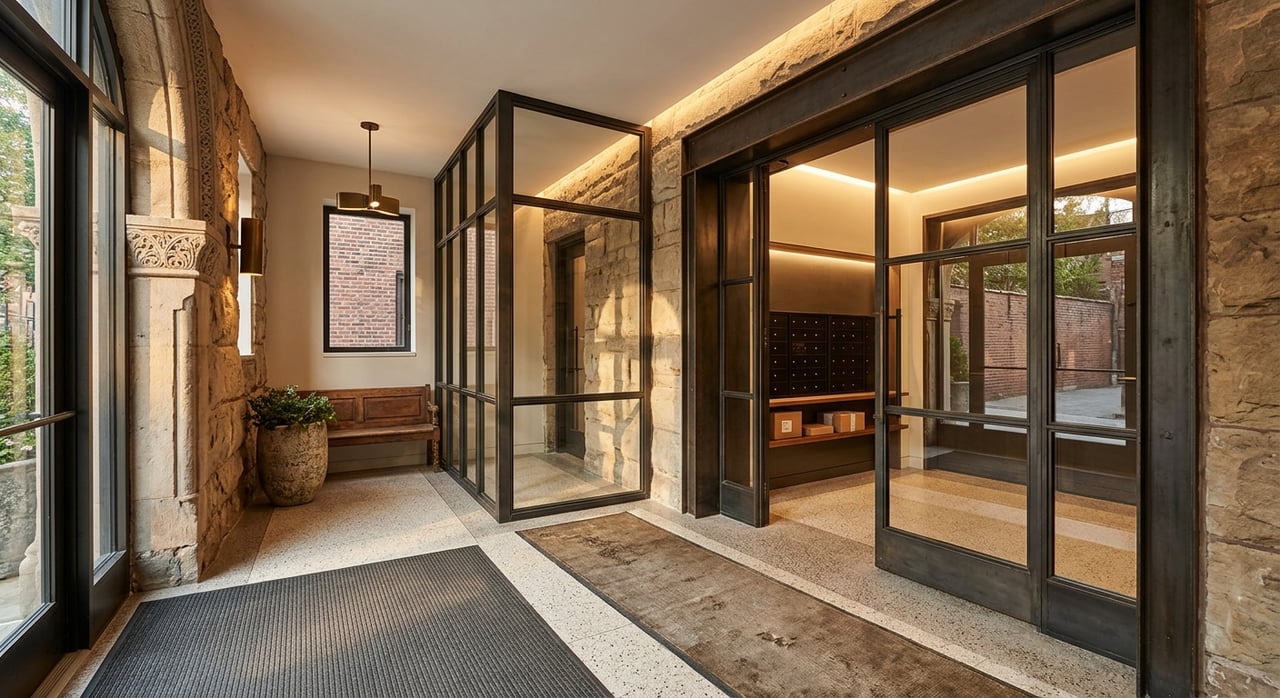
Trying to choose between a prewar and postwar co-op on the Upper West Side? You are not alone. This is one of those classic Manhattan decisions where both options can be great, but for very different reasons. If you understand the tradeoffs before you start touring, you can save time, ask better questions, and focus on the buildings that actually fit your lifestyle. Let’s dive in.
Why this choice matters on the Upper West Side
The Upper West Side is one of Manhattan’s most era-defined co-op markets. Stretching along the west side of Central Park from 59th Street to 110th Street, the neighborhood is known for large prewar buildings, historic districts, and a long residential history shaped by development from the 1880s through the 1930s.
That history matters because building era often affects how an apartment lives day to day. On the Upper West Side, the difference between prewar and postwar is not just about style. It can shape room sizes, closet space, renovation flexibility, monthly maintenance, and even how much noise you hear from neighbors.
What “prewar” means
On the Upper West Side, prewar usually refers to buildings constructed before World War II, most often between 1900 and 1939. Some guides also include homes dating back to the 1880s.
In New York City, many prewar residential buildings are co-ops or rentals. That is one reason buyers often talk about “prewar co-ops” as a category of their own, especially on the Upper West Side where this housing stock is so prominent.
What prewar homes often offer
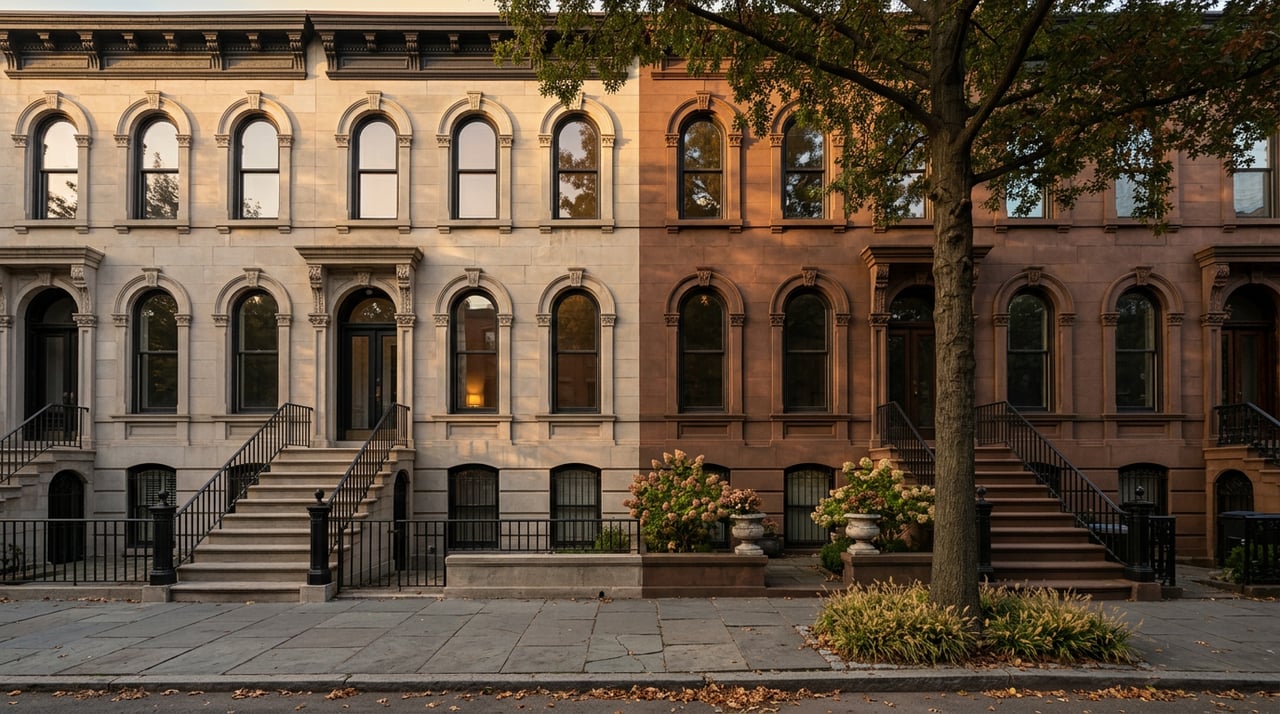
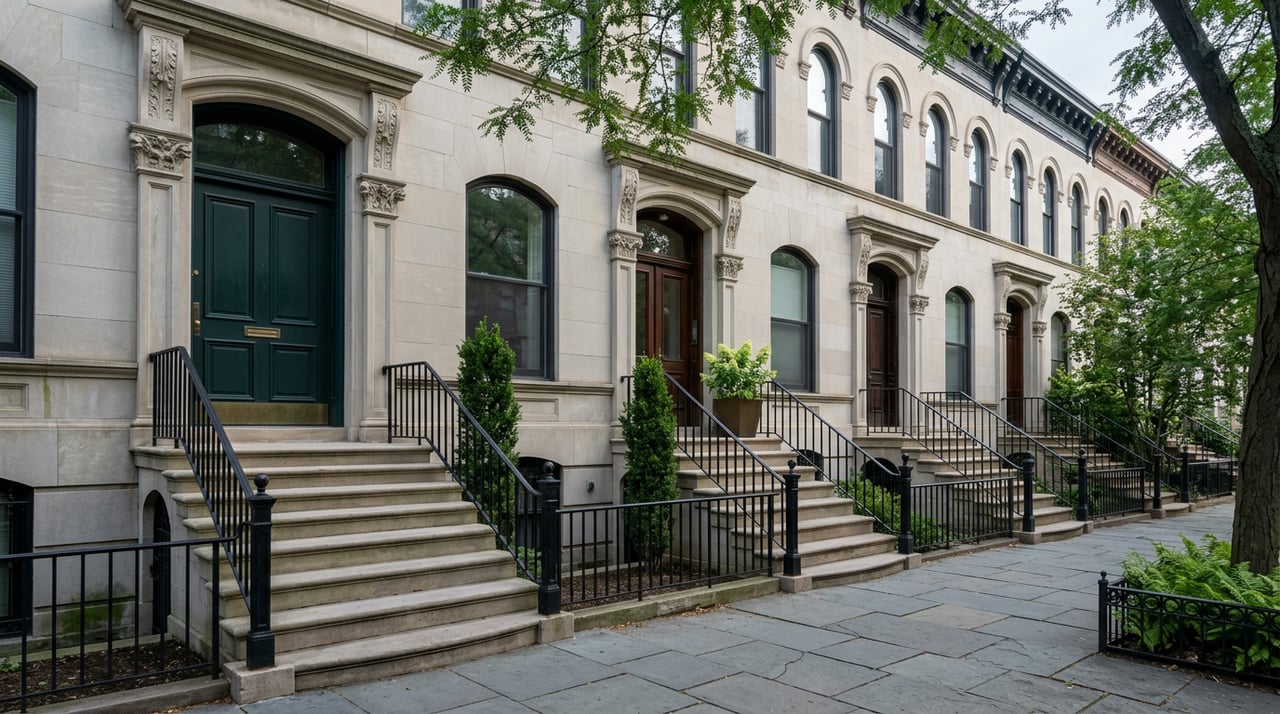
Prewar co-ops are known for scale and architectural detail. You will often see formal living and dining rooms, larger foyers, wide hallways, larger bedrooms, high ceilings, original hardwood floors, decorative moldings, built-ins, and sometimes fireplaces.
Many prewar buildings also have grand lobbies, courtyards, and thicker plaster walls. In practice, those thicker walls can improve sound isolation and create the solid, classic feel many buyers picture when they think about old New York apartments.
Where prewar can feel less convenient
The charm usually comes with tradeoffs. Kitchens, bathrooms, and closets are often smaller than what many buyers expect today, and some layouts can feel quirky or harder to furnish.
You are also less likely to find central air conditioning or in-unit laundry in a typical prewar co-op. If your wish list includes modern systems and plug-and-play convenience, these gaps may stand out quickly during showings.
What to watch for in prewar buildings
Older buildings can require more maintenance over time. Plumbing and electrical systems are more likely to need attention, and major work can involve specialized trades.
On the Upper West Side, that matters even more because many buildings sit within historic districts. If a building is designated or located in a historic district, the Landmarks Preservation Commission must approve most alterations, reconstructions, demolitions, and new construction that affect the building, and owners generally need permits for most types of alterations.
What “postwar” means
Postwar generally refers to buildings constructed after World War II and before 1990. On the Upper West Side, many examples date to the 1950s through the 1970s, when New York experienced a major housing boom.
These buildings are typically more uniform in appearance than prewar stock. But inside, they often solve practical issues that matter a lot to everyday buyers.
What postwar homes often offer
Postwar apartments usually have more predictable layouts and easier flow. They are often simpler to furnish, with more functional closets, larger kitchens, larger windows, and floor plans that feel more straightforward.
Many postwar units were designed as junior fours, which can sometimes be adapted into a den, office, or extra sleeping area. That flexibility can be especially useful if you work from home or want more options without taking on a full renovation.
Where postwar can feel less distinctive
If you love high ceilings, formal room separation, and ornate details, some postwar apartments may feel more basic. Eight-foot ceilings were common in much of the era, and materials often include parquet floors, sheetrock walls, and concrete-and-steel floors rather than the plaster-and-poured-concrete construction associated with many prewar buildings.
That can sometimes mean more neighbor noise. At the same time, it may also make remodeling or combining units easier in some buildings.
What postwar buildings often add
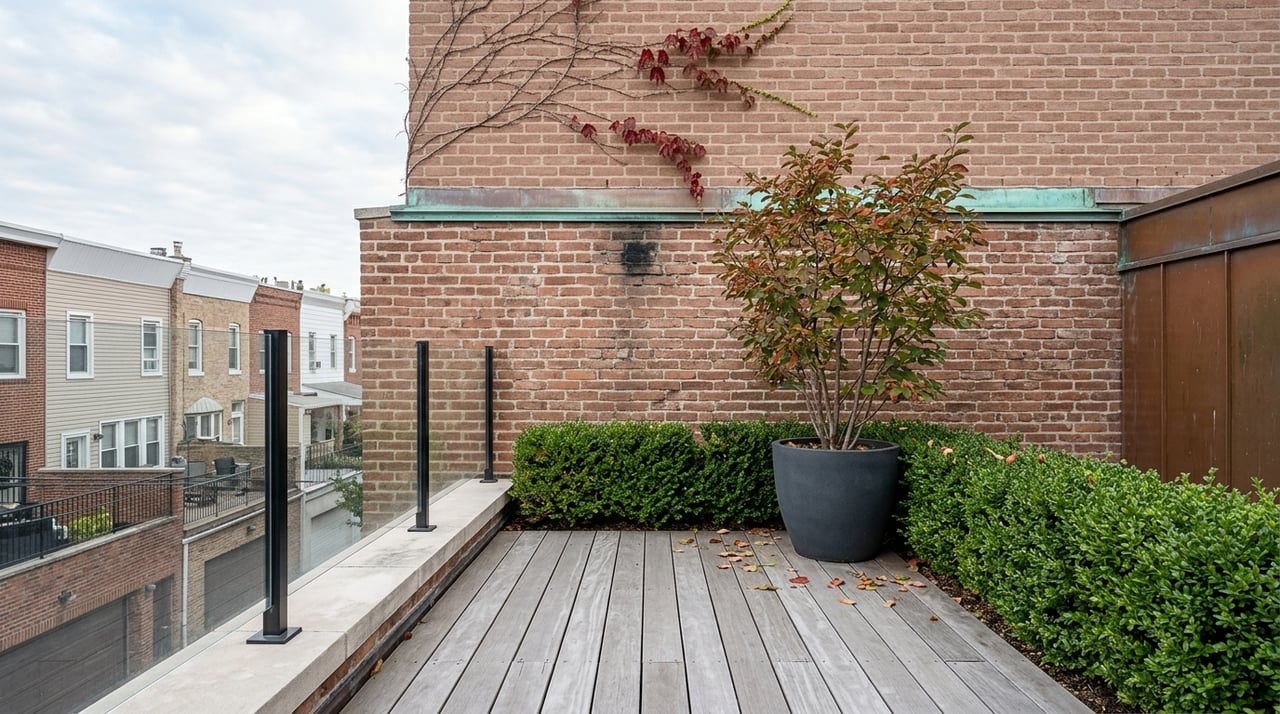
Postwar co-ops are more likely to include modern building systems and amenities. Depending on the property, that may mean central air, updated plumbing and electrical systems, balconies, terraces, gardens, rooftop terraces, fitness centers, swimming pools, or resident lounges.
For many buyers, those features remove small daily friction points. If your top priority is convenience, postwar inventory can be very appealing.
Prewar versus postwar at a glance
| Feature | Prewar co-ops | Postwar co-ops |
|---|---|---|
| Typical feel | Classic, detailed, gracious | Practical, streamlined, modern |
| Room layout | Formal rooms, larger proportions | Simpler flow, easier furnishing |
| Ceilings | Often higher | Often around eight feet |
| Storage | Often less efficient | Often better closets and storage |
| Kitchens and baths | Often smaller | Often larger and more functional |
| Sound | Thicker walls can help | Can allow more neighbor noise |
| Amenities | Less common | More common |
| Renovation complexity | Often higher | Often easier |
Which buyers tend to prefer prewar
Prewar co-ops usually appeal to buyers who value character and proportion over convenience. If you want a home that feels gracious, quiet, and rooted in classic Upper West Side architecture, prewar may be the better fit.
You may also prefer prewar if you like separated rooms instead of one open, flexible layout. Many buyers are happy to trade a smaller kitchen or fewer modern features for architectural charm and long-term appeal.
Which buyers tend to prefer postwar
Postwar co-ops usually appeal to buyers who want less friction in daily life. If you care most about storage, practical layouts, modern systems, and easier furnishing, postwar may make more sense.
This is often true for first-time buyers, relocators, and anyone who wants a cleaner move-in experience. Postwar buildings can also be attractive if you want outdoor space or amenities that are less common in older properties.
Don’t ignore maintenance and financials
No matter which era you prefer, the monthly maintenance matters. In a co-op, maintenance typically covers property taxes, utilities, staff salaries, any underlying mortgage, and overall upkeep.
That is why affordability on the Upper West Side is about more than purchase price. A lower-priced apartment with high maintenance or a building facing major capital work may be less attractive than a higher-priced unit in a stronger financial position.
The New York State Attorney General advises buyers to read the full offering plan, consult an attorney before signing, and review board minutes, financial reports, defects, and violations. In existing buildings, some of the most expensive building-wide issues involve facades, roofs, elevators, plumbing, electrical systems, and boilers.
Board rules matter more than many buyers expect
With a co-op, you are buying shares in a corporation rather than a deeded unit. That means the board approval process is a major part of the transaction.
Boards typically review applications, interview buyers, and often require 20% to 30% down, low debt, and strong cash reserves. Co-ops also tend to be less flexible about subletting, pied-à-terres, and some renovations, so it is smart to match the building’s rules with your long-term plans.
Landmark status can affect your plans
On the Upper West Side, landmark and historic district considerations are a real part of the ownership experience. The Upper West Side/Central Park West Historic District was designated in 1990, and many buildings in the area fall within protected settings.
That does not make landmarked buildings a negative. In many cases, it helps preserve the character that draws buyers to the neighborhood in the first place. But it can add another layer of approval, especially for exterior changes, and may slow certain projects.
Resale is about more than the era label
It is easy to assume prewar always wins on prestige or postwar always wins on value. In reality, resale usually depends on a broader mix of factors.
Layout, building condition, board policies, financial health, and overall buyer-friendliness often matter just as much as whether the building is prewar or postwar. A well-run prewar co-op can outperform a poorly maintained postwar building, and the reverse is also true.
How to decide what fits you best
If you are choosing between the two, start with how you actually live. Think about whether you care more about charm or convenience, formal rooms or flexible layouts, sound isolation or updated systems.
Then look beyond the apartment itself. Review the building’s maintenance, financials, board rules, and renovation realities before you get emotionally attached to the moldings, the terrace, or the view.
On the Upper West Side, the best choice is usually not the one that sounds best in theory. It is the one whose tradeoffs still feel right after you have lived with them for a few years.
If you want help comparing co-op options on the Upper West Side, evaluating renovation potential, or finding private opportunities that fit your goals, connect with Alex Fincham.
FAQs
What is the difference between a prewar and postwar co-op on the Upper West Side?
- Prewar co-ops are usually buildings constructed before World War II and often offer higher ceilings, larger room proportions, and more architectural detail, while postwar co-ops were generally built after World War II and tend to offer simpler layouts, better storage, and more modern systems.
Are prewar co-ops on the Upper West Side better built?
- Many buyers feel prewar buildings are more solid and quieter because of thicker walls and older construction methods, but they can also come with greater maintenance needs and more renovation complexity.
Are postwar co-ops on the Upper West Side less expensive?
- Often they are less expensive than comparable prewar or new-construction homes, but price still depends heavily on location, views, building quality, staffing, finances, and amenities.
Do Upper West Side co-ops usually require board approval?
- Yes. Co-op boards typically review the buyer’s application, may conduct an interview, and often expect significant down payment funds, low debt, and strong post-closing reserves.
Does landmark status affect Upper West Side co-op renovations?
- Yes. In designated buildings or historic districts, many alterations require review and permits from the Landmarks Preservation Commission, especially when exterior changes are involved.
What should buyers review before purchasing an Upper West Side co-op?
- Buyers should closely review the offering plan, board minutes, financial reports, defects, violations, maintenance costs, and the building’s rules on subletting, renovations, and occupancy plans.